What is DNA Authentication?
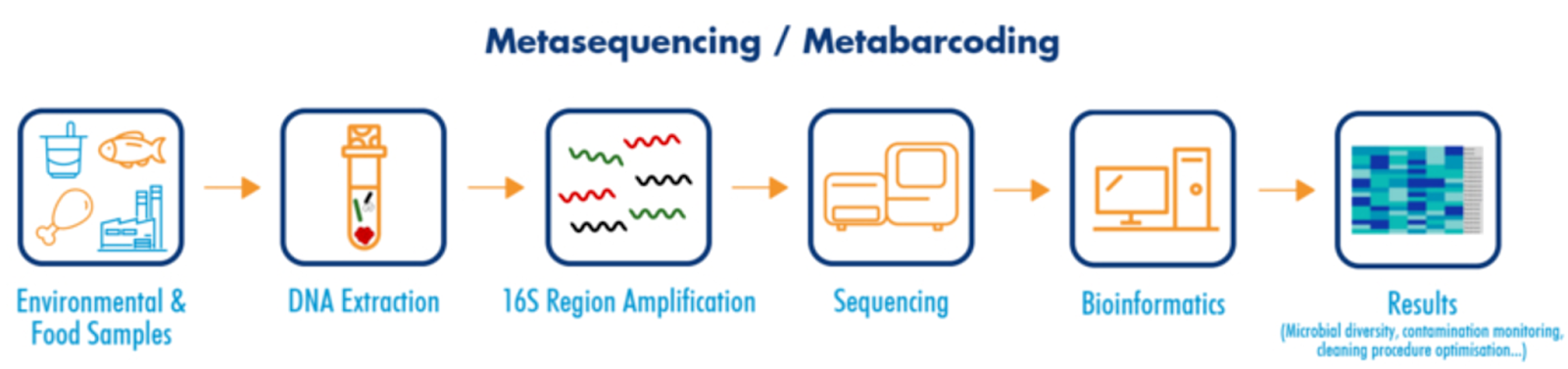
DNA authentication is a method of species identification. The process works by reading a short DNA sequence from a genetic sample and comparing it with a reference library such as the Barcode of Life Data System. This public database allows scientists to compare the sample against all other samples in the system, to best determine what the sample species is.
For example, think about how a scanner at the grocery store can use a product's barcode to identify an item in its stock against its inventory database. The item's unique barcode is scanned and compared against a database of other products in order to determine what the scanned product is.
DNA barcoding has a wide variety of applications including identifying unknown species and cataloging species. When DNA authentication technology is applied to seafood, it compares a tissue sample from a seafood product against a global database which contains sequences from hundreds of thousands of species.
How DNA Barcoding Can Address Seafood Mislabelling
DNA Authentication is the focus of this project due to its powerful ability to identify seafood products and compare the species indicated by the DNA sample to the name on the label. Since features that would allow you to identify a species are often removed when it is processed (e.g. headed, gutted and filleted - and sometimes skinned), DNA Authentication is often the only way to verify what species a seafood product is.
Limitations of DNA Authentication
With that being said, DNA Authentication can only do so much. It’s not the only way to improve transparency in seafood supply chains, but rather one tool in our toolbox.
Some of the limitations of DNA authentication include not being able to confirm origin or harvest method, or even whether it was farmed or wild. Basically, DNA Authentication can just tell us what a seafood product is so we can determine whether or not the species matches what it says on the label. But it can’t yet tell us those other important pieces such as where it came from or whether it was wild caught or farmed.
It also doesn’t work (yet) on some types of seafood products, like canned tuna. However, the technology is constantly improving. Most recently, a group of researchers found a way to use DNA authentication technology through a small pen!
More Opportunities for DNA Authentication in Seafood Supply Chains
DNA Authentication is just one tool that we have to address seafood mislabelling and other issues within the seafood supply chain. Combined with other measures such as improved labelling laws and blockchain technology, DNA Authentication can play an integral role in verifying that traceability systems and labelling laws are working, and helping create a more transparent seafood industry.