Our Most Popular Read
Bridging the Divide: My Journey to Unite Wild and Farmed Seafood Sectors
The future of seafood doesn’t lie in choosing between wild fisheries and aquaculture, but in fostering a cooperative relationship between the two.
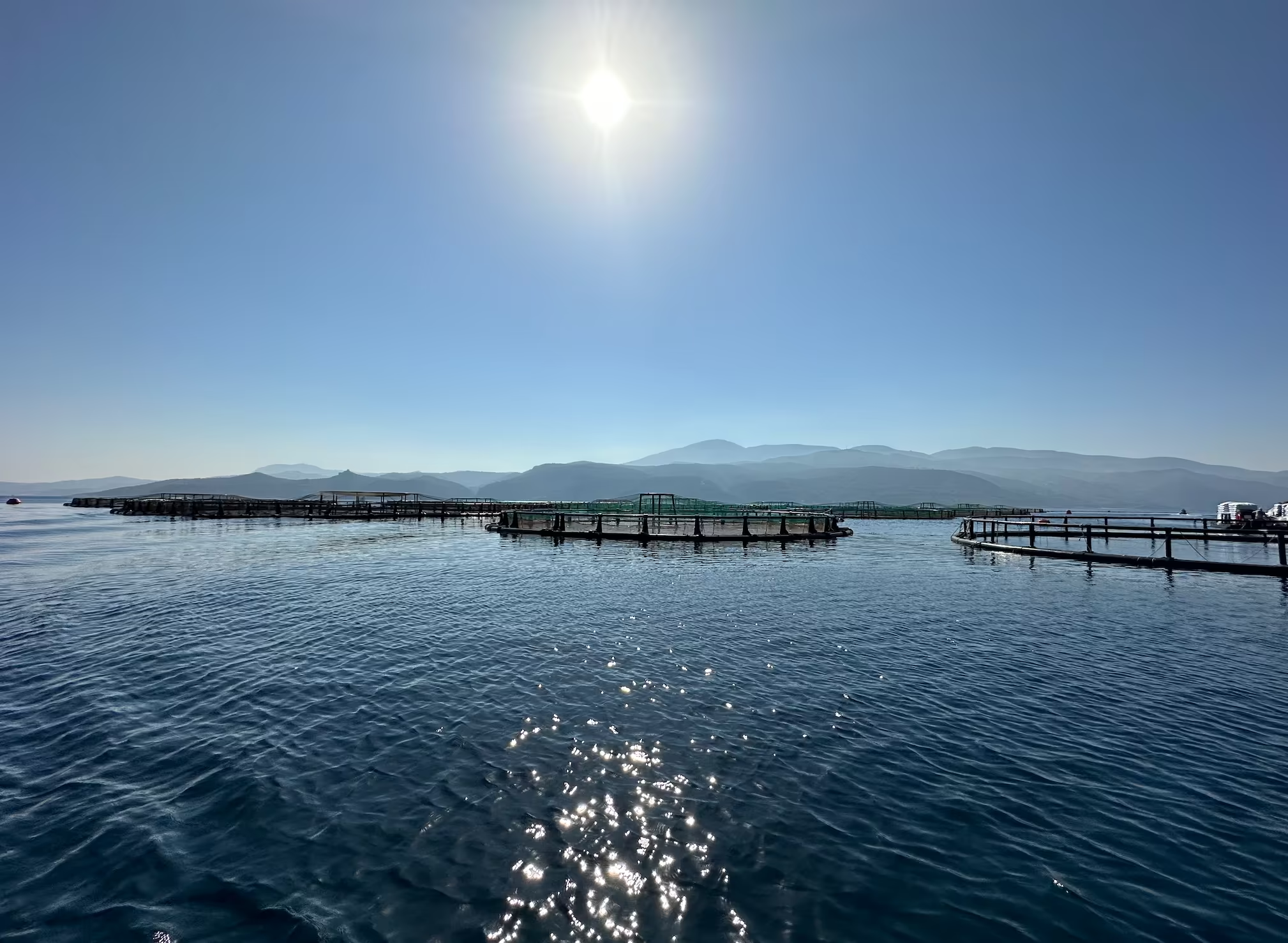
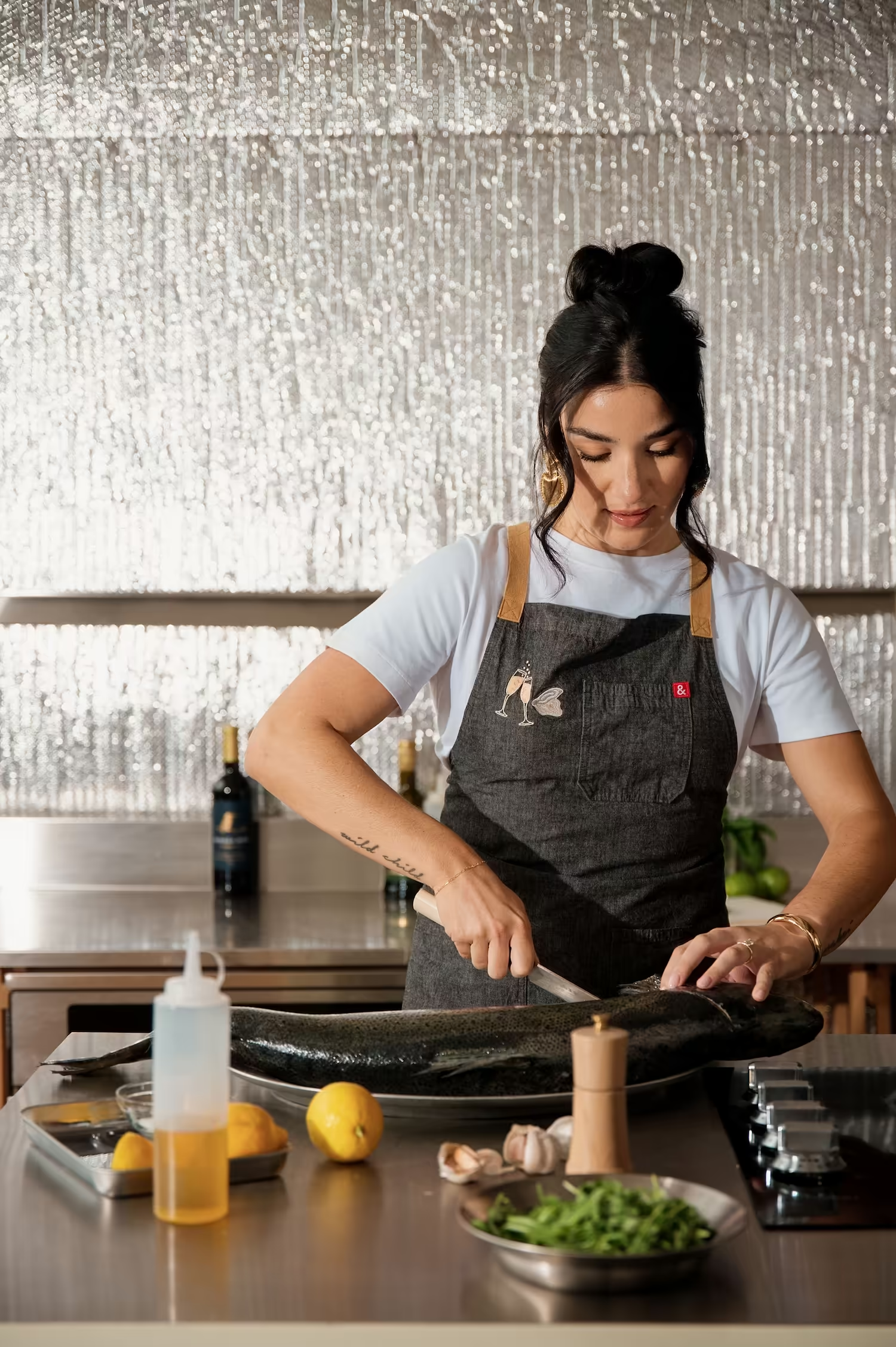
A reflection on the growing push for “seafood independence” in the U.S. and why it falls short.
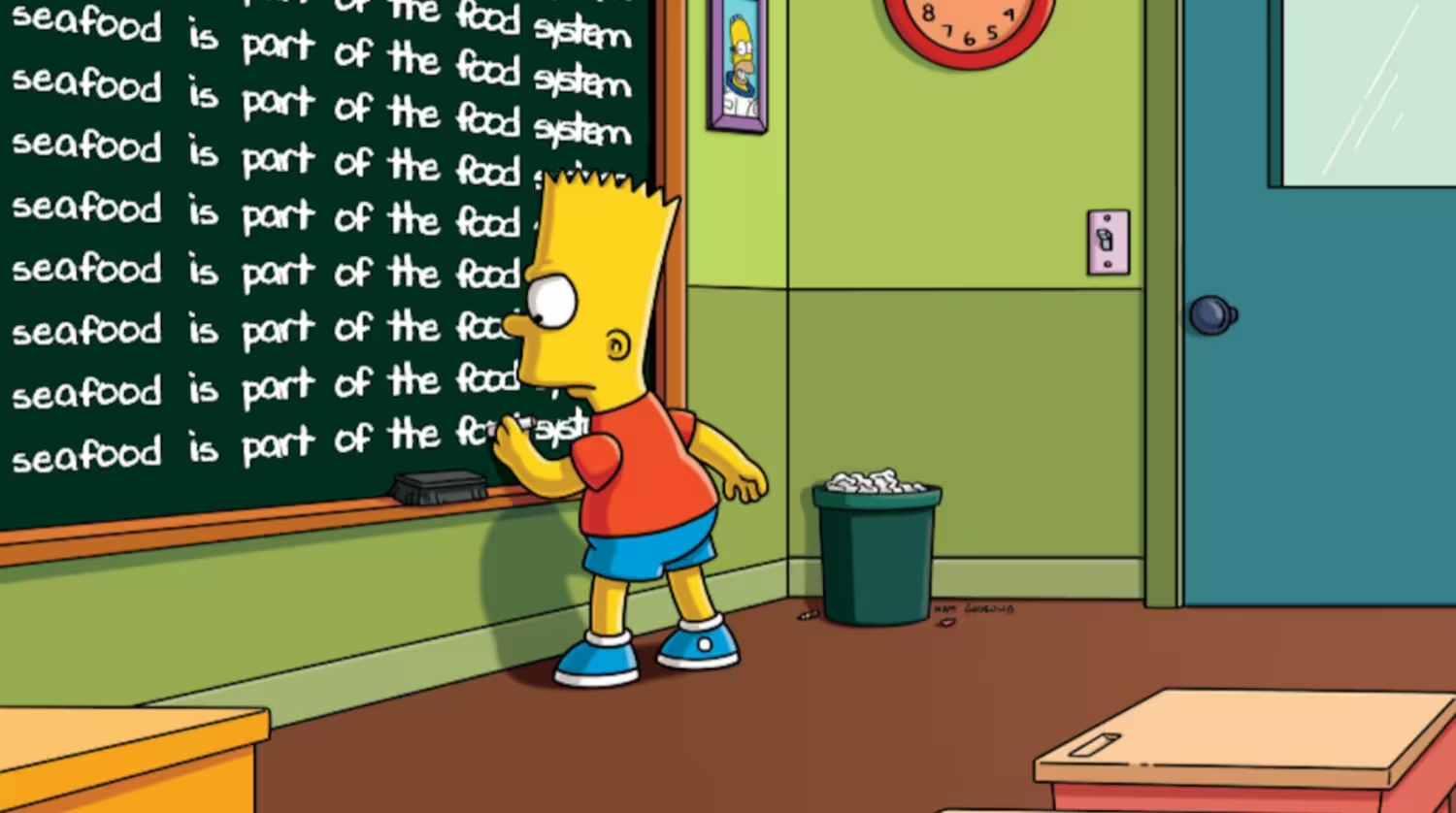
Setting the record straight on the same tired narrative: that eliminating seafood is the only ethical and sustainable choice.
The future of seafood doesn’t lie in choosing between wild fisheries and aquaculture, but in fostering a cooperative relationship between the two.

Seafood conversations have been dominated by sustainability debates and larger than life reflections on food system challenges.
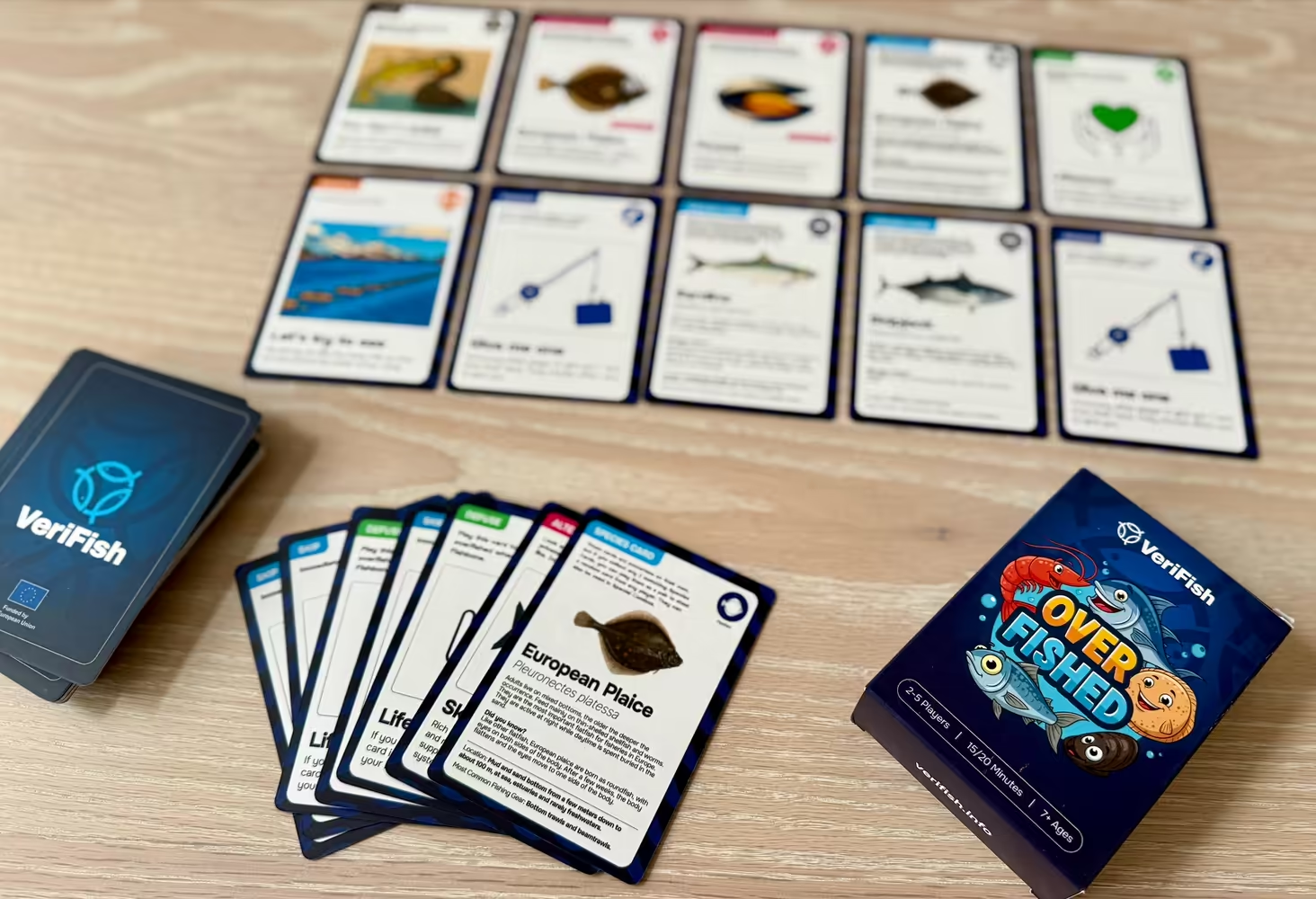
Seafood is desperately lacking fun. Creative approaches like Overfished are moving us in the right direction.
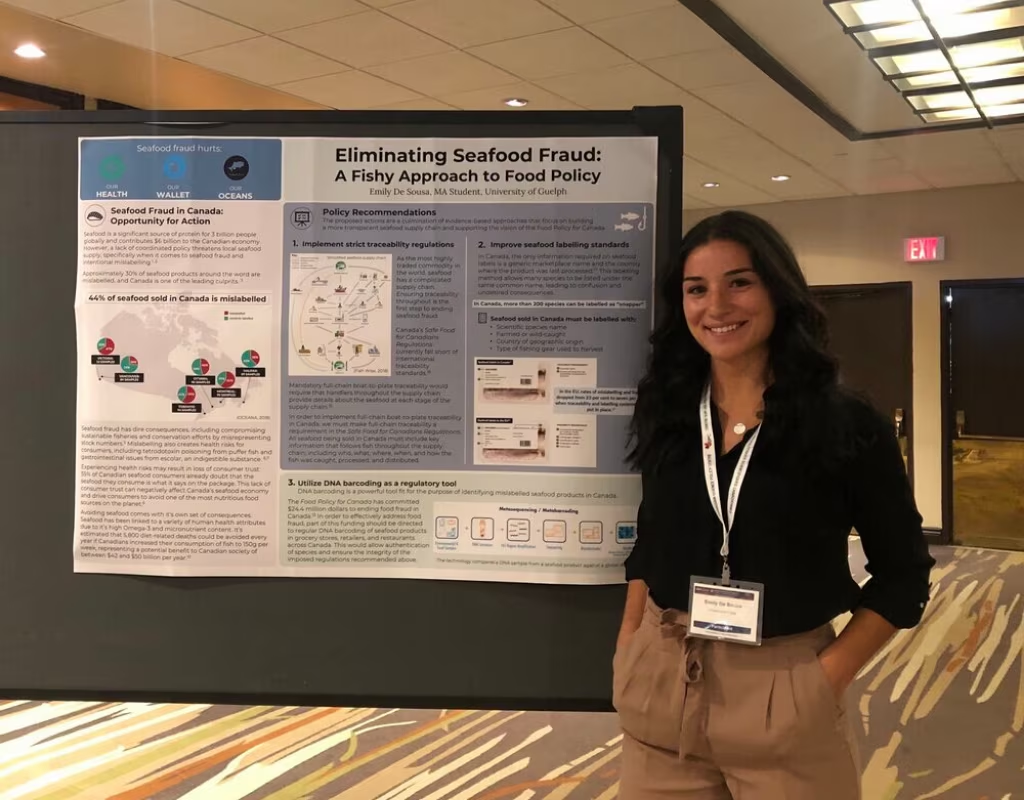
“Just because it’s always been done this way doesn’t mean it always has to be this way.” My career journey has embodied this sentiment in every way.
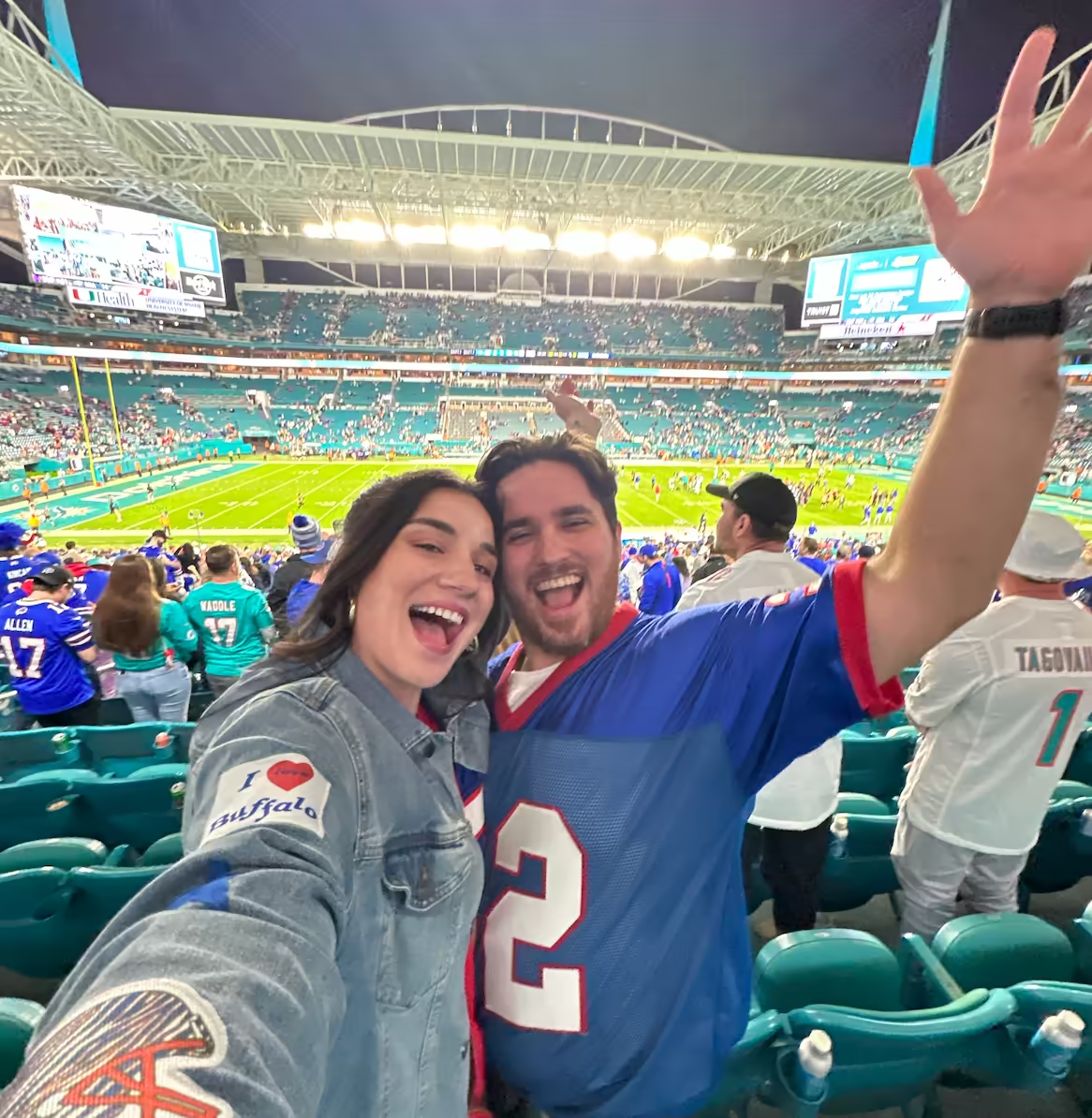
NFL's tailgate culture has showed me that seafood is the perfect food.
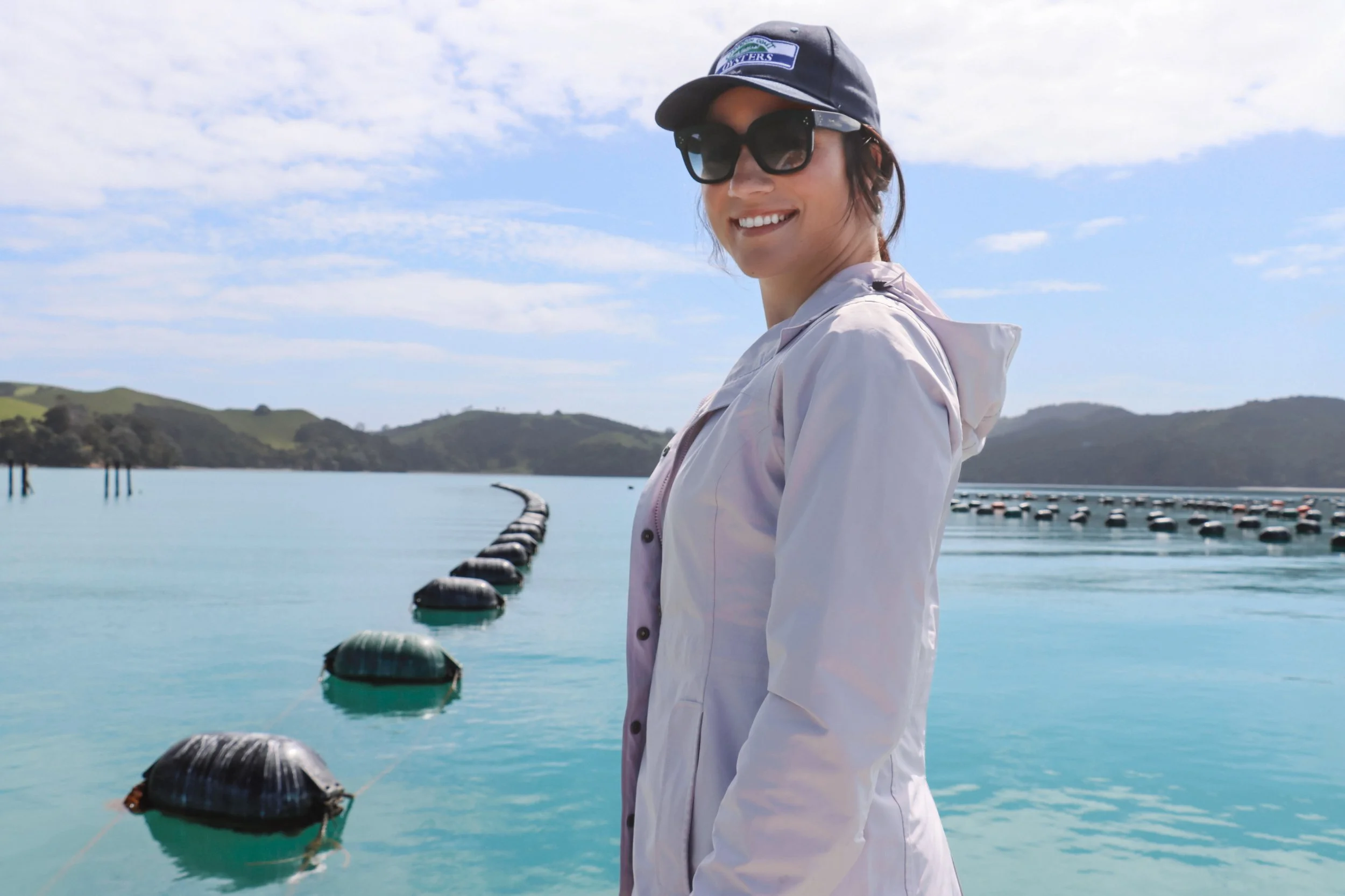
Both Canada and New Zealand have significant aquaculture industries, each with unique characteristics shaped by their geography, regulations, and environmental priorities.
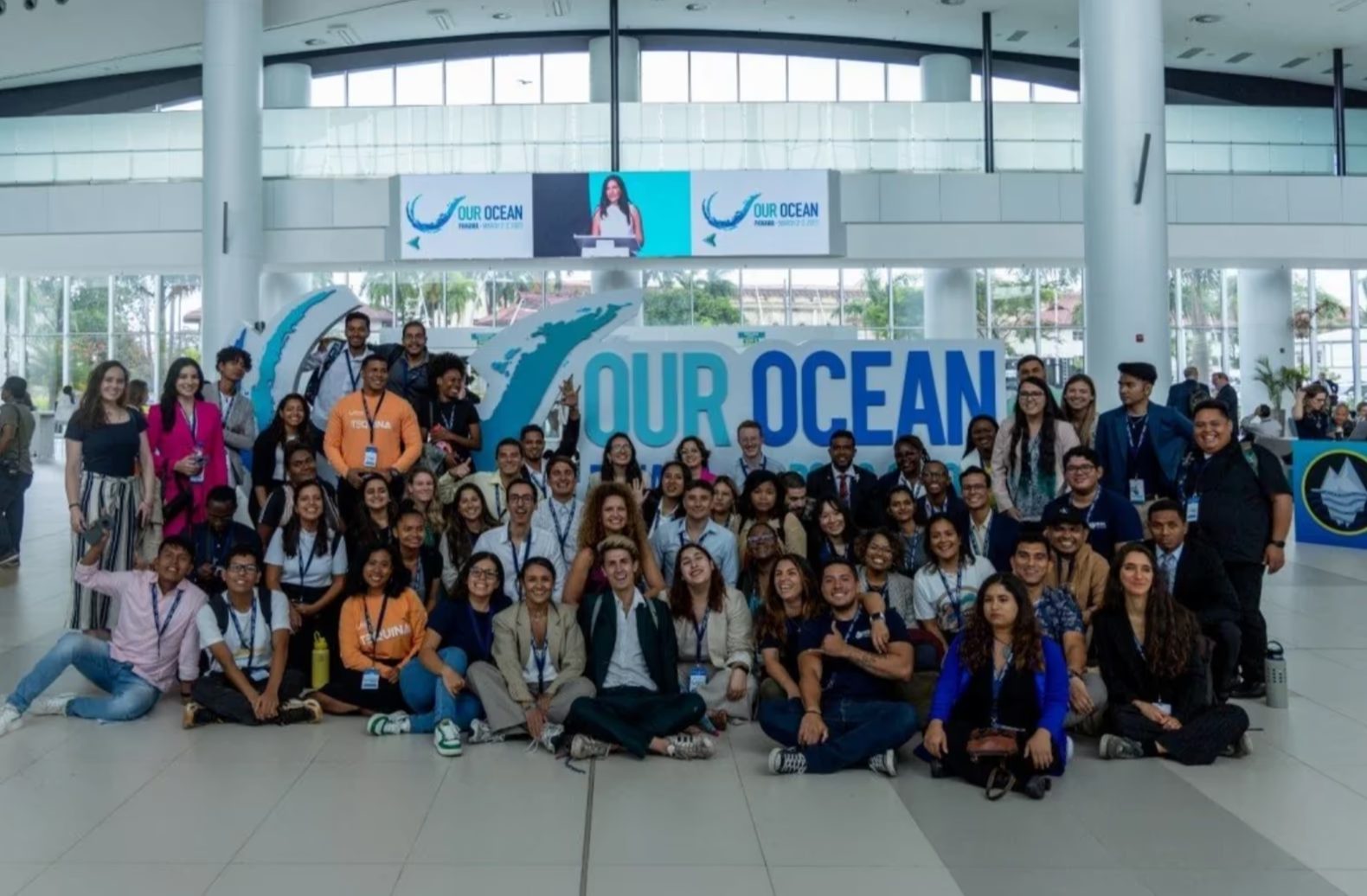
I’m still here in beautiful Panamá, and finally having a chance to reflect on my time at the Our Ocean Conference.

After two years of cancellations, the seafood industry was finally back together in Boston for the 2022 North American Seafood Expo.

The Seafood Expo North America returned in person this year after a COVID hiatus.

Here are some of the biggest seafood trends to keep an eye out for in 2022.
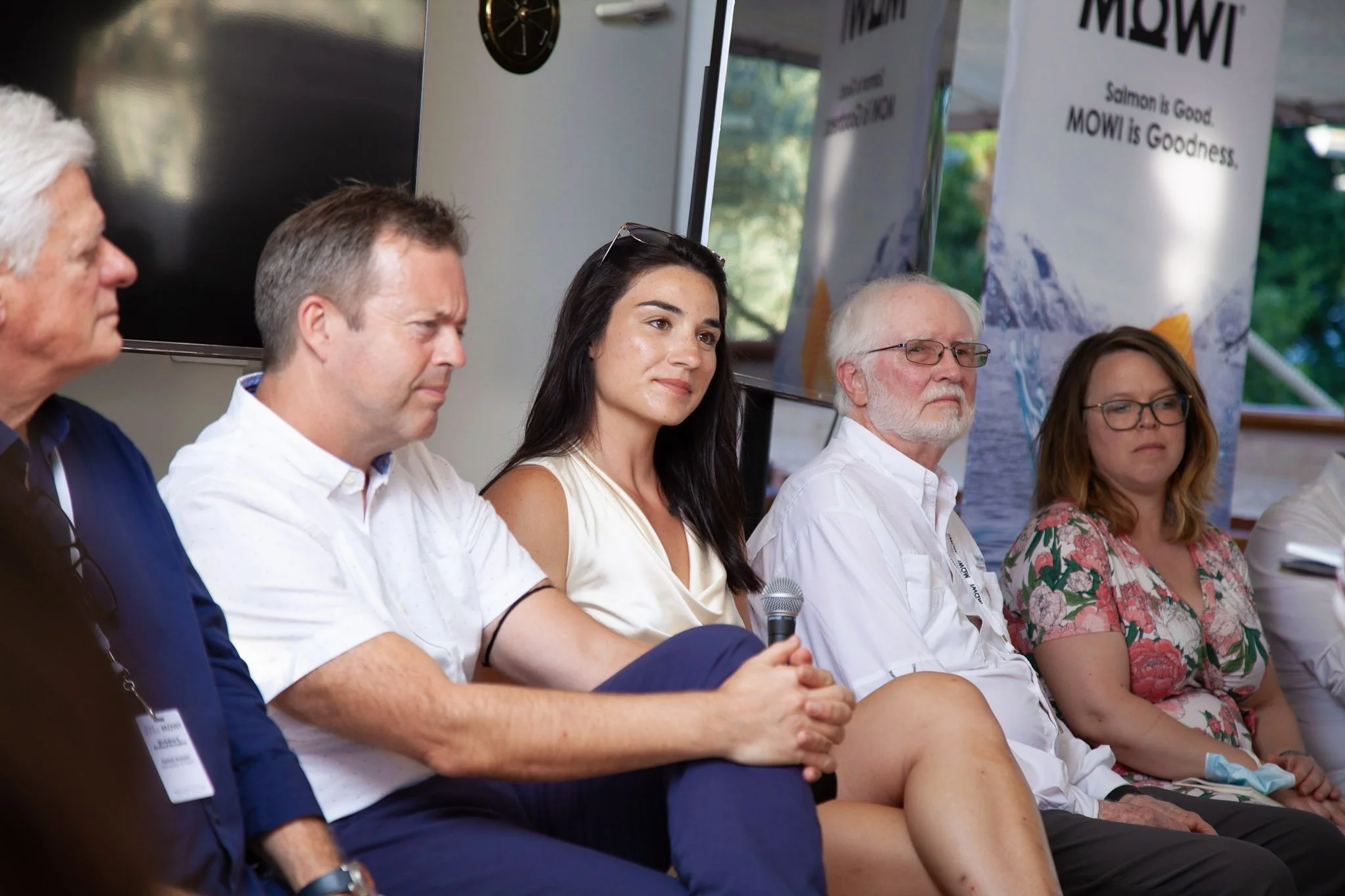
I unpacked this question during a panel discussion onboard the One Ocean Expedition in Miami.
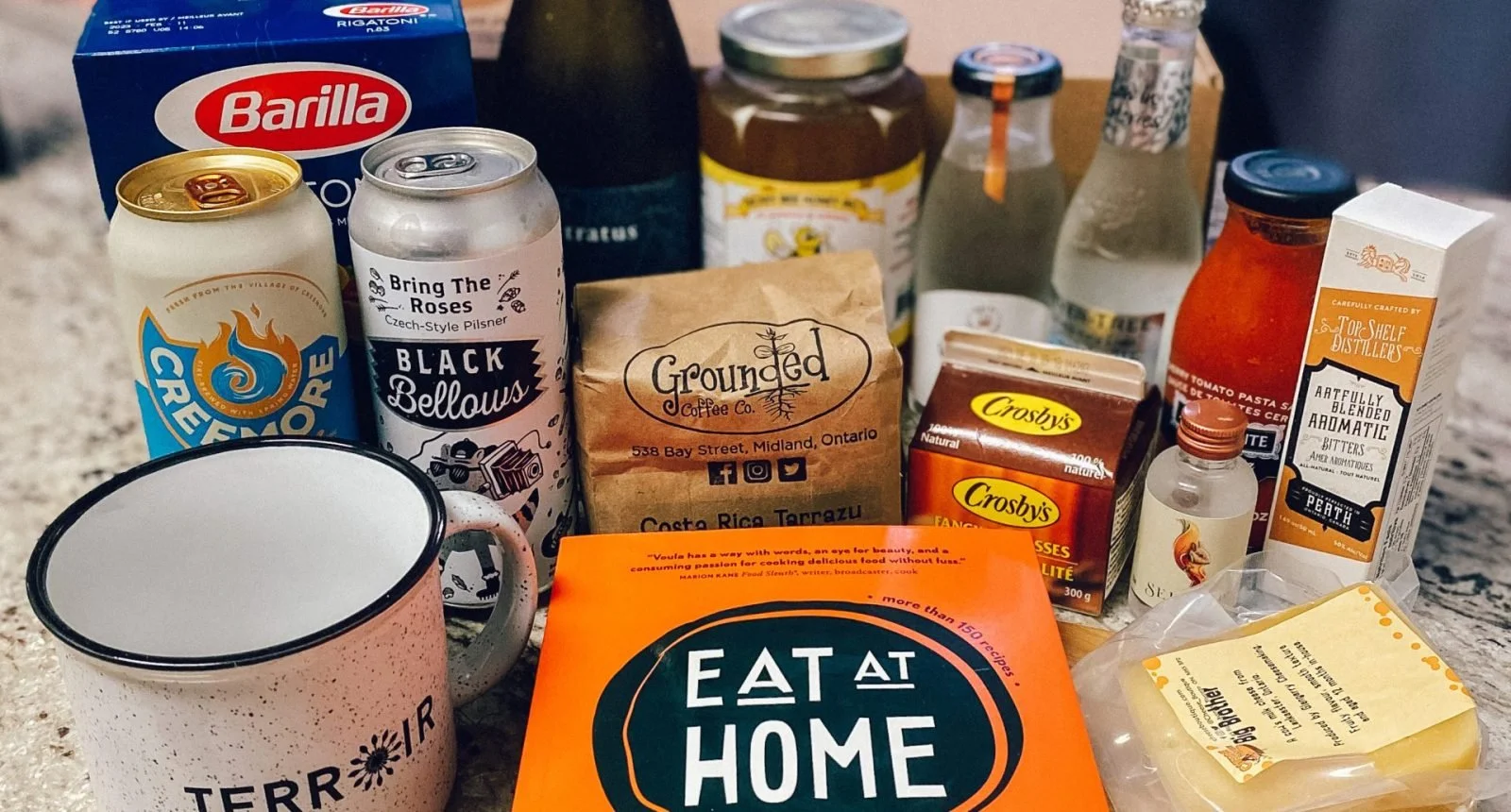
For the past 14 years, the Terroir Symposium has brought the world's leading innovators in food, tourism and hospitality together to share ideas, make connections, and create change.