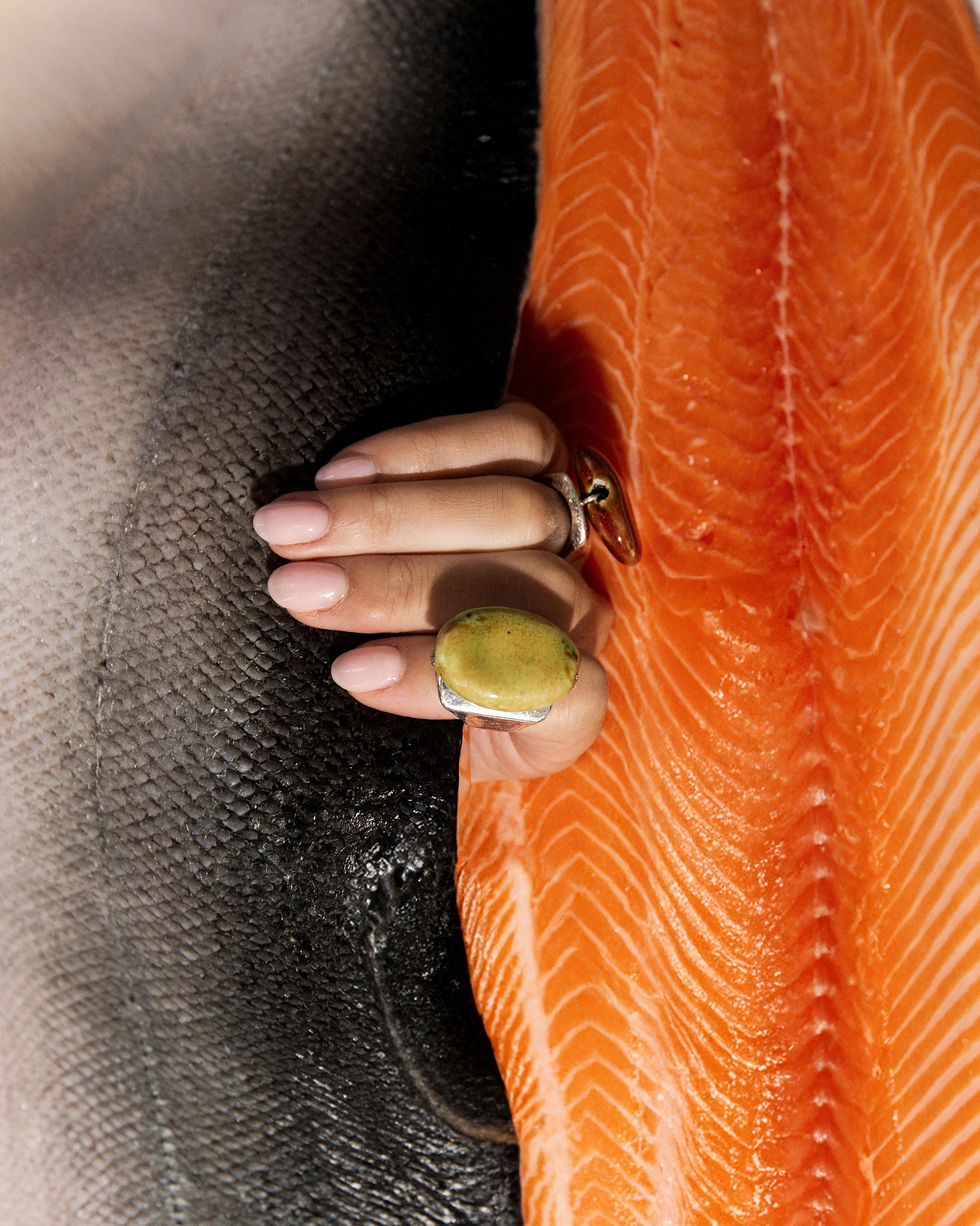
Farmed salmon can be a sustainable seafood choice. Let's get that out in the open right away.
A lot of people believe farmed fish can't be sustainable. That's simply not true. You can raise a chicken well or raise a chicken poorly. Same goes for salmon.
Farmed salmon earned some of its bad reputation. Early operations had real problems with disease, pollution and feed. But the industry today looks very different. Better gear, smarter feed and tighter regulation have changed what's on your plate.
This guide covers everything you need to know: how salmon are farmed, what they eat, the real environmental issues (and the myths), nutrition, certifications, and how to shop with confidence.
What is farmed salmon?
When most people say "farmed salmon," they mean Atlantic salmon. It's the species the industry was built on, and it makes up the vast majority of what's sold.
Global production of farmed Atlantic salmon now sits at just over 3 million tonnes a year. Norway and Chile grow most of it. The UK, the Faroe Islands, Canada, Iceland, Ireland, New Zealand and Tasmania make up most of the rest.
You'll also find a few farmed Pacific species:
- Coho salmon, farmed mostly in Chile
- King (chinook) salmon, farmed mostly in New Zealand, which grows over half the world's farmed king salmon
Quick tip: if a label says "Atlantic salmon," it's almost certainly farmed. Wild Atlantic salmon are now listed as Near Threatened by the IUCN, and commercial fishing for them has been closed for decades, starting with Newfoundland in 1992. Wild salmon at your fish counter will be a Pacific species like sockeye, coho, king, pink or keta.
This is all representative of a much bigger shift. In 2022, aquaculture overtook wild-capture fisheries for the first time. By 2024, farms produced 53% of the world's aquatic animals (FAO).
How salmon are farmed
Salmon farming aims to replicate the fish's natural life cycle. Salmon are born in fresh water and grow up in the sea, so farms do the same. Growing a salmon from egg to harvest takes roughly two to three years.
- Hatchery. Eggs from selected broodstock hatch in land-based freshwater tanks.
- Freshwater growth. Young fish grow on land for about 12 to 18 months.
- Smolting. The fish go through "smoltification," the physical change that lets them survive in salt water.
- Sea phase. Smolts move to ocean pens, where they grow for another 12 to 24 months.
- Harvest and fallowing. Fish are harvested at roughly 5 to 6.5 kg. Most sites then sit empty for 2 to 6 months before the next generation goes in.
The main three ways to grow out salmon

One trend worth watching: farmers are keeping fish on land longer, growing smolts up to 1 kg before they go to sea. Less time in the ocean means less exposure to lice and disease.
What I've seen on the farms
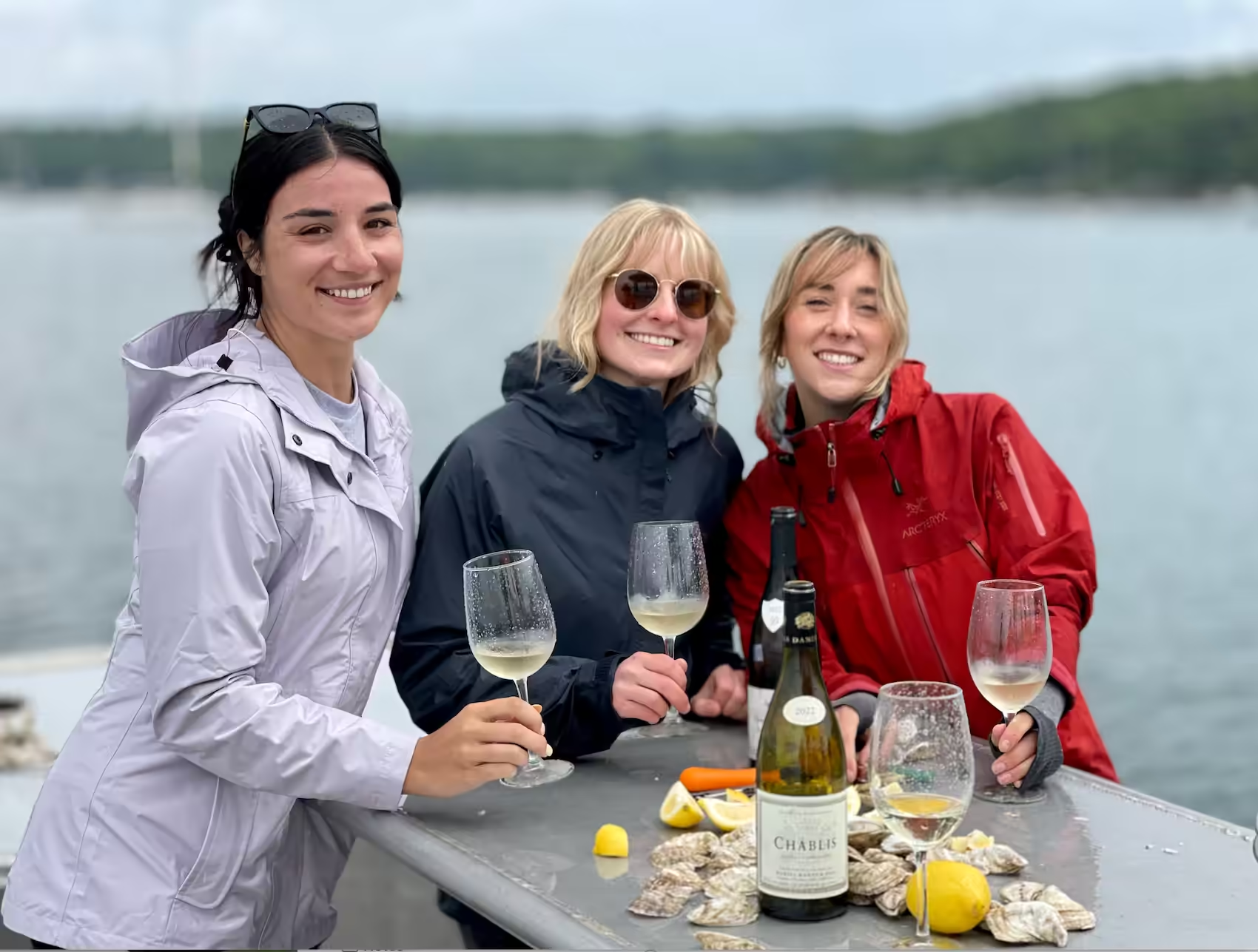
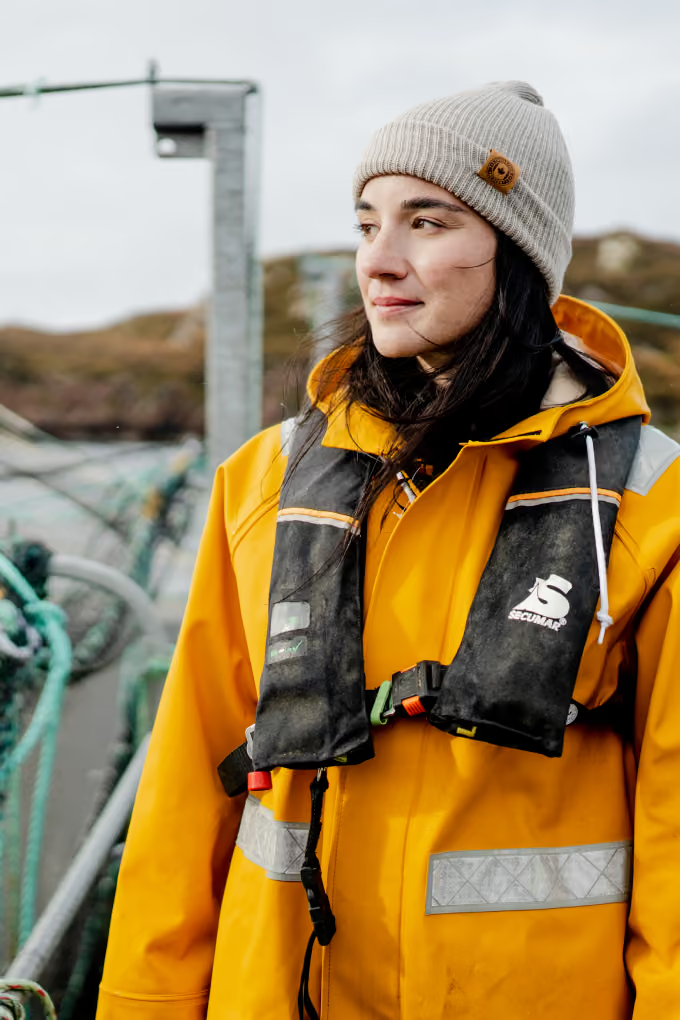
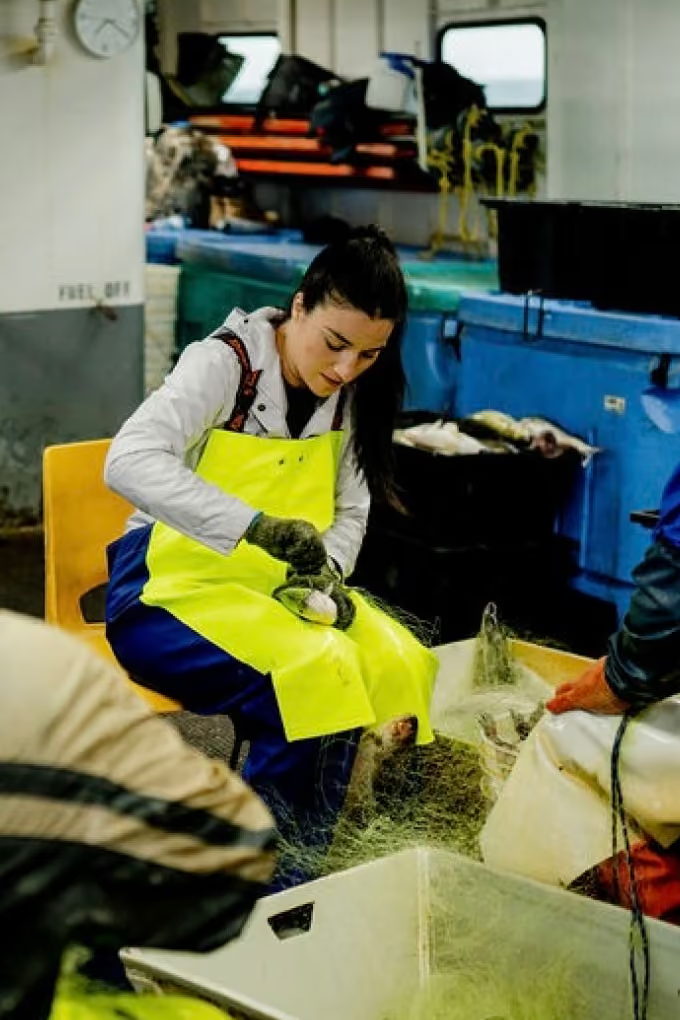
I've stood on salmon farms in five countries. Funny enough, when I embarked on my farmed salmon journey, someone had told me, “once you’ve seen one salmon farm, you’ve seen them all”.
That couldn’t have been further from the truth.
Every farm I’ve visited has been unique in its own way and all of these experiences taught me that “farmed salmon” is not a homogenous term.
Scotland: Loch Duart
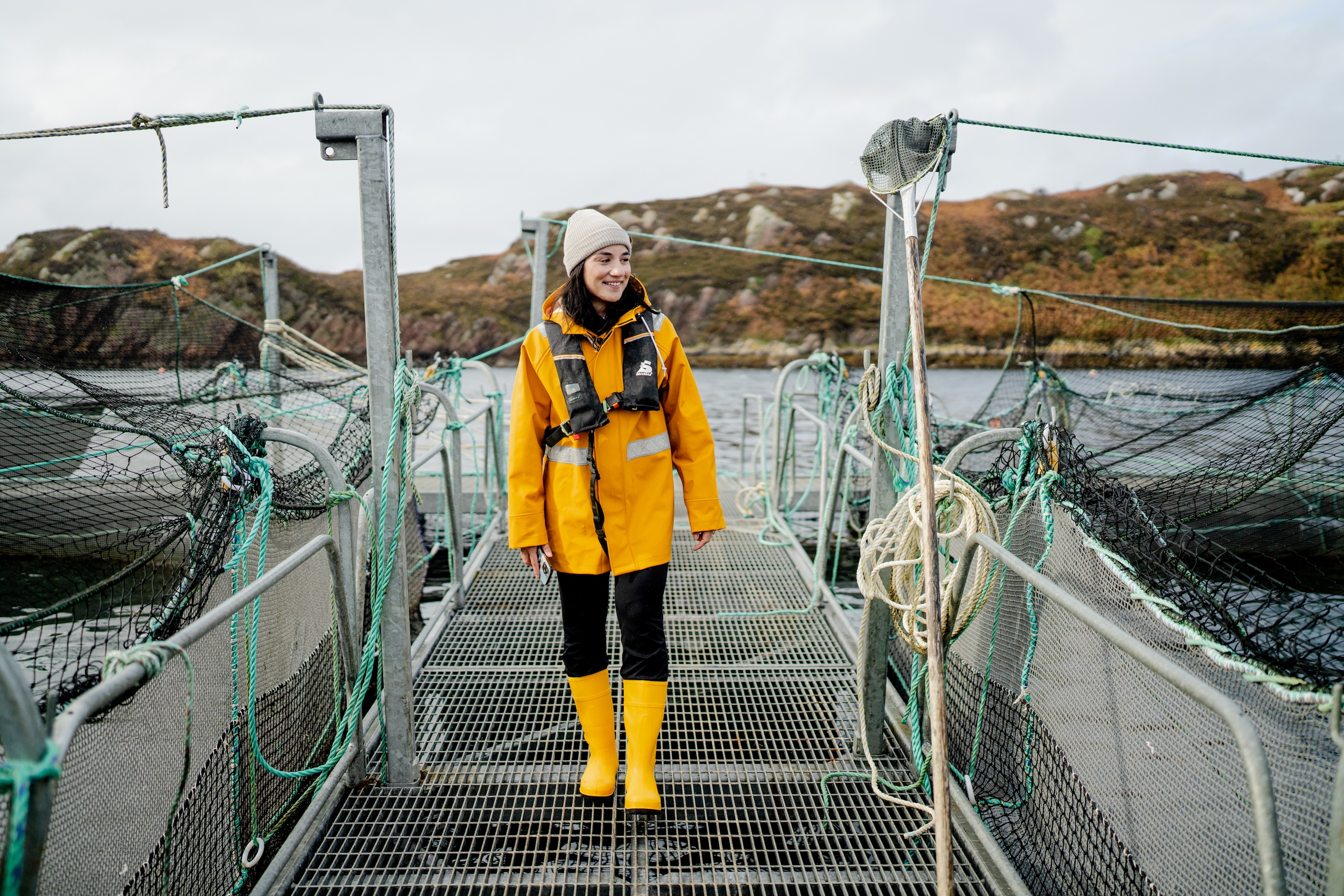
An eight-hour flight to Glasgow, then five hours of Highland roads to Badcall Bay. Loch Duart is small, independent and stubborn about doing things the hard way.
Their pens hold just 1.5% fish to 98.5% water. Sites sit in high-flow water. Sea lice are managed with freshwater baths and cleaner fish. The feed, built with BioMar, uses MSC-certified fish trimmings, and their forage fish dependency ratio is just 0.33.
The team summed it up for me: it's not the easy way, but it's the right way. Read the full story or watch the 9-part video series.

New Zealand: king salmon in the Marlborough Sounds
These pens nestled into the quiet, calm bay of the Marlborough Sounds are home to the best salmon in the world. New Zealand doesn’t farm Atlantic salmon at all; they only produce king salmon. During my time there, I had the chance to see how the iconic Ora King salmon is produced and it was unlike anything I’d ever seen before in my life. These salmon are bred specifically for culinary excellence. Everything from their feed to growing conditions is optimized to produce the highest quality salmon in the world. It’s why you’ll see Ora King gracing the menus of the top restaurants in the world. In 2015, New Zealand king salmon became the first marine-farmed salmon to earn a Best Choice rating from Monterey Bay Aquarium's Seafood Watch.
Read next: Reflecting on the Different Aquaculture Approaches of New Zealand and Canada
Atlantic Canada: cold water, working coast
Atlantic Canada farms salmon in New Brunswick's Bay of Fundy, in Nova Scotia and on Newfoundland's south coast, where pens are built to handle the cold, rough North Atlantic. I had the opportunity to do a complete boat-to-plate tour with Cooke Aquaculture where I even tried salmon feed to show y’all that there is nothing to be worried about! (though, I highly recommend sticking to eating the salmon and not their feed, because that stuff is dry as hell!)

Norway: where modern salmon farming began
My first trip to Norway was to speak at AquaVision 2022 in Stavanger and following the conference the team at Mowi invited me to visit their salmon farms just outside of Bergen. Norway grows about half the world's farmed Atlantic salmon, and it's where some of the industry's boldest experiments are happening, from closed pens in the fjords to smolts raised on land to 1 kg. Also worth noting, is that Mowi has been ranked the most sustainable animal protein producer by the Coller FAIRR Protein Producer Index for five consecutive years.
Read next: Before visiting their farms in Norway, I worked with Mowi to promote sustainable aquaculture education onboard the One Ocean Expedition.
British Columbia: a coast in transition
B.C. is where Canada's farmed salmon debate is loudest. The current government is upholding their stance that all open net pens must be gone from the coast by June 30, 2029, and the sector is weighing closed containment and land-based systems as possible solutions. However, study found that while making the switch is feasible, it will also be costly and risky. For some First Nations, like the Kitasoo/Xai'xais in Klemtu, salmon farming is a major employer and way of life.
I actually wrote specifically about the Kitasoo/Xai'xais’ fight to keep their salmon farms for the Global Seafood Alliance. The community also produces this fabulous smoked salmon product for Walmart Canada that’s worth checking out!
Wisconsin: salmon on land
While land-based salmon farming can be challenging and costly in many regions of the world, some regions are already finding a way to make it work. An unlikely hero in fact: Wisconsin. Superior Fresh set out to bring high-quality protein to the Midwest, and to prove you don't need to live on a coast to eat great seafood. They raise Atlantic salmon indoors and pipes about 99.9% of the fish water through a greenhouse. Leafy greens absorb the nutrients and clean the water before it cycles back to the tanks. Fish feed the greens. Greens clean the water.
Its salmon carries a Seafood Watch Best Choice rating. I toured the farm in 2023, and it's easy to see why. Sustainability comes first here, even when it costs more or takes more work.
What farmed salmon eat
Salmon are carnivores, so people assume they're simply fed a diet of other fish. That was true in 1990, when about 90% of Norwegian salmon feed came from marine ingredients. It isn't true today.
Modern salmon feed is mostly plant-based. While most companies have their own proprietary feed blends and don’t divulge the exact percentages of ingredients in their feed, this is a sample breakdown of what really goes into those pellets your farmed salmon are eating:
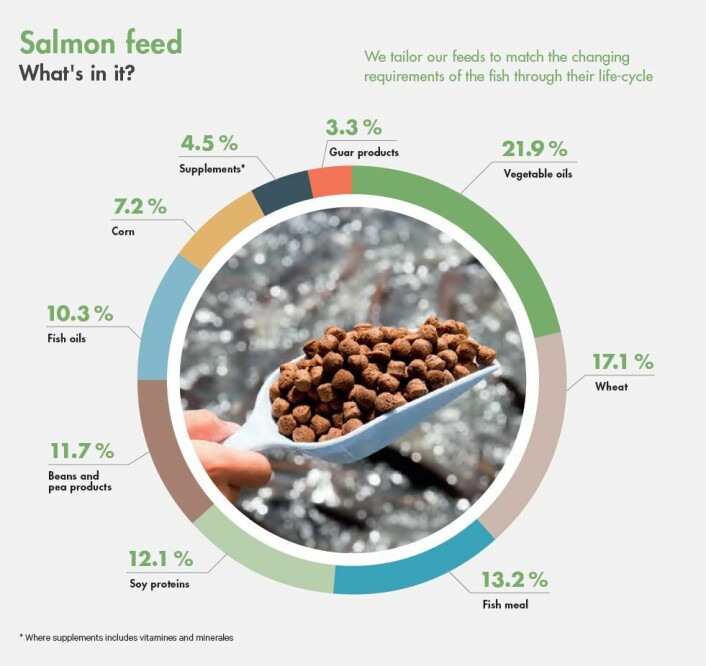
A growing share of fishmeal and fish oil comes from trimmings: the heads, frames and offcuts left over when fish are processed for people. Globally, by-products now supply 35% of fishmeal and 57% of fish oil. Some feed makers have also started using insect meal, microalgae and single-cell proteins.
Salmon are efficient, too.
The fish in, fish out (FIFO) ratio measures how much wild fish it takes to grow a kilogram of farmed fish. Under 1 means the farm produces more fish than it uses. IFFO's most recent figure puts Atlantic salmon at 0.96 in 2020, down from 3.21 in 2000 (IFFO).
And before you ask: no, the salmon are not dyed. The colour of their flesh comes from antioxidants in their diet - the same way they get their colour in the wild.
If you want to dive deeper into how they get their colour: READ THIS POST NEXT: “How do farmed salmon really get their colour?!”
The issues you ask me about (and how farms are tackling them)
I won't pretend salmon farming has no impact. It does. Every method of food production has an impact (even growing vegetables!). Salmon farming impacts are specific, measurable and manageable. Here are the big five that I’m most frequently asked about:
Sea lice
Sea lice are tiny parasitic crustaceans that live naturally on wild salmon in the ocean. Farmed salmon start life in freshwater hatcheries and go to sea lice-free. They pick lice up from wild fish swimming past. Dense pens can then let lice multiply and spread back to wild fish.
Lice are mainly a concern for small juvenile wild salmon heading out to sea. It can be lethal to them, which is why farmers generally try to set up their net-pens in areas where they know juvenile salmon won’t be travelling through. Because adult salmon have fully developed scales, thicker skin, and a much larger body mass, a few sea lice typically causes them little to no harm. Farms still keep numbers low, because heavy infestations can still cause problems. A veterinarian does routine checks on fish farms to make sure sea lice numbers aren’t getting out of hand.
Some farms also employ cleaner fish, which eat sea lice, into the pens to keep sea lice numbers at bay. This, however, has its own set of animal welfare concerns so it’s being used less commonly.
If sea lice numbers do get too high, it can be treated with oral medication or a fresh water bath.
Escapes
Escapes are rare, and getting rarer. B.C. farms reported fewer than five escaped fish a year in 2021, 2022, 2024 and 2025, as stronger nets and better anchoring have cut escapes dramatically.
When fish do get out, they don't last long. A farmed salmon has spent its whole life in a pen, eating pellets from a feeder. It's never had to hunt for food or dodge a predator. After a net pen collapsed near Washington's Cypress Island in 2017, DFO found that the vast majority of the escaped Atlantic salmon caught in B.C. had empty stomachs. They weren't competing with wild salmon for food. They weren't finding any, because they didn’t know how.
ASC-certified farms are capped at 300 escaped fish per production cycle, must count their fish accurately and must publicly disclose unexplained losses.
Disease
Farmed salmon are healthy when they go to sea. Fish must be free of clinical signs of disease before they move from the hatchery into the ocean. Once there, they can pick up pathogens and parasites from wild fish.
Farms focus on prevention first: vaccinating fish before they go to sea and resting sites between generations. Then they keep a close eye on things. In B.C., every farm follows a DFO-approved health management plan and must monitor and report on fish health. DFO also audits a random 25% of active farms every three months, with average compliance of 98%. In Norway, fish health professionals carry out monthly health inspections at farms. When fish do get sick, the goal is fast diagnosis and treatment.
Certified farms must also manage disease at the area level, together with neighbouring farms. And in B.C., nine DFO risk assessments found minimal risk to Fraser River sockeye from the pathogens studied on salmon farms.
Waste
Uneaten feed and fish waste can build up on the seabed under pens. Certified farms must assess and maintain seabed conditions and control nitrogen and phosphorus. Monitoring the seabed and fallowing pens reduce impacts. Some farms grow mussels and kelp nearby to absorb nutrients, an approach called integrated multi-trophic aquaculture, pioneered in Canada's Bay of Fundy.
Antibiotics
Antibiotic use depends entirely on where your salmon is from. Thanks largely to vaccines, 99% of Norwegian farmed salmon were raised without any antibiotic treatment in 2020.
If fish do need antibiotics, there's a withdrawal period: treated fish can't be harvested until enough time has passed for the drug to clear. In B.C., a licensed vet must authorize any antibiotic use, and farmers must show the withdrawal period has ended before fish can be processed or sold. In the U.S., NOAA says drugs used in farmed fish are undetectable at harvest. By the time salmon reaches your plate, the antibiotics are gone.
Is farmed salmon as healthy as wild salmon?
Yes. Farmed salmon is a strong source of protein, vitamin D, selenium and marine omega-3s.Those omega-3s, EPA and DHA, are linked to heart and brain health.
Farmed and wild salmon are close on protein. The big difference is fat. As you can imagine, a wild salmon is much leaner, having spent its entire life swimming upstream and battling the elements in the wild ocean. Whereas, a farmed salmon has been leisurely swimming in a pen and eating on a timed cycle for its entire existence.

Bottom line: U.S. dietary guidance recommends about 8 oz of seafood a week, roughly two servings. Farmed or wild, salmon is one of the easiest ways to get there.
Aquaculture certifications: ASC and BAP
Two third-party certifications dominate farmed seafood. Both send independent auditors to check farms against published standards.
Aquaculture Stewardship Council (ASC)
ASC is the farmed-seafood counterpart to the Marine Stewardship Council (MSC) label for wild fish, and ASC supply chains are certified to MSC's chain-of-custody standard. A farm must meet the standard's requirements to be certified.
ASC covers environmental impact, fish health and welfare, and social requirements that ban forced and child labour and protect workers' rights. For salmon, that includes sea lice limits, monitoring of lice on wild fish, and caps on escapes.
In May 2025, ASC launched a single Farm Standard covering 12 species, with stronger animal welfare requirements. In October 2026, ASC gave farms until May 2028 to transition.
Best Aquaculture Practices (BAP)
BAP, run by the Global Seafood Alliance, certifies each link in the supply chain and uses stars to show how many are covered.
Four stars is the gold standard. It means every step, from egg to feed to fillet, has been audited for environmental responsibility, social accountability, food safety and animal welfare.

Want to take the guesswork out of the seafood counter? My guide, Eating From the Ocean, is your cheat sheet for spotting better seafood, farmed or wild. It's backed by nine professional chefs from across North America, so you can shop with the same confidence the pros do. Grab your copy here.
How to buy great farmed salmon
You don't need a fisheries degree to shop well. You just need to know what to look for.
- Know the origin. Seafood Watch ratings for farmed salmon range from Best Choice to Avoid depending on where it's from.
- Look for a certification. ASC, BAP, or another GSSI recognized label.
- Ask your fishmonger. Where is it from? Ocean or land? Which farm?
- Reward transparency. Brands that name their farm and share their practices are proud of how their fish is raised.
- Don't judge by colour. Salmon colour reflects diet and genetics, not whether it's farmed or wild.
Final thoughts
Aquaculture now produces more of the world's seafood than wild fisheries. It has grown about 5% a year since 2000, while wild catch has held steady for 30 years (FAO). That's how the world meets rising demand without asking more of wild stocks.
Farmed salmon will be a big part of that future. I've seen what it looks like when it's done well, from the Highlands of Scotland to the Marlborough Sounds. So let's meet the industry with optimism and high expectations.
Know where it's from. Know how it's raised. Then cook it well.
Keep reading
- What The New York Times Got Right (and Wrong) About Farmed Fish
- How do farmed salmon REALLY get their colour?
- What a Chef's Tour of Central America Can Teach Us About Offshore Aquaculture
- My Seafood Story
- Wild vs. Farmed Seafood: Which is Better?