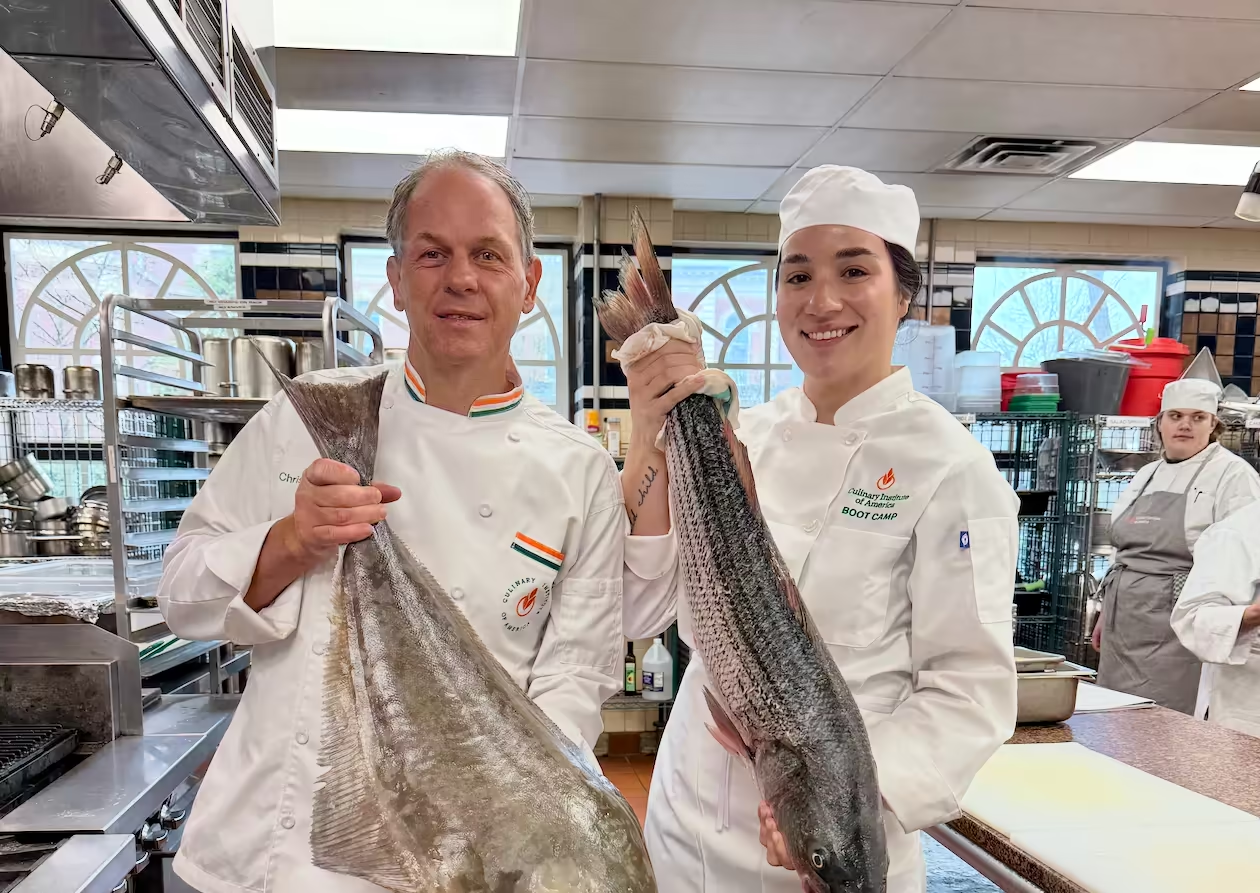
I recently attended the four-day Seafood Boot Camp at the Culinary Institute of America, and after sharing parts of the experience on Instagram, I got flooded with questions about what the program is actually like, who it’s for, and whether it’s worth it.
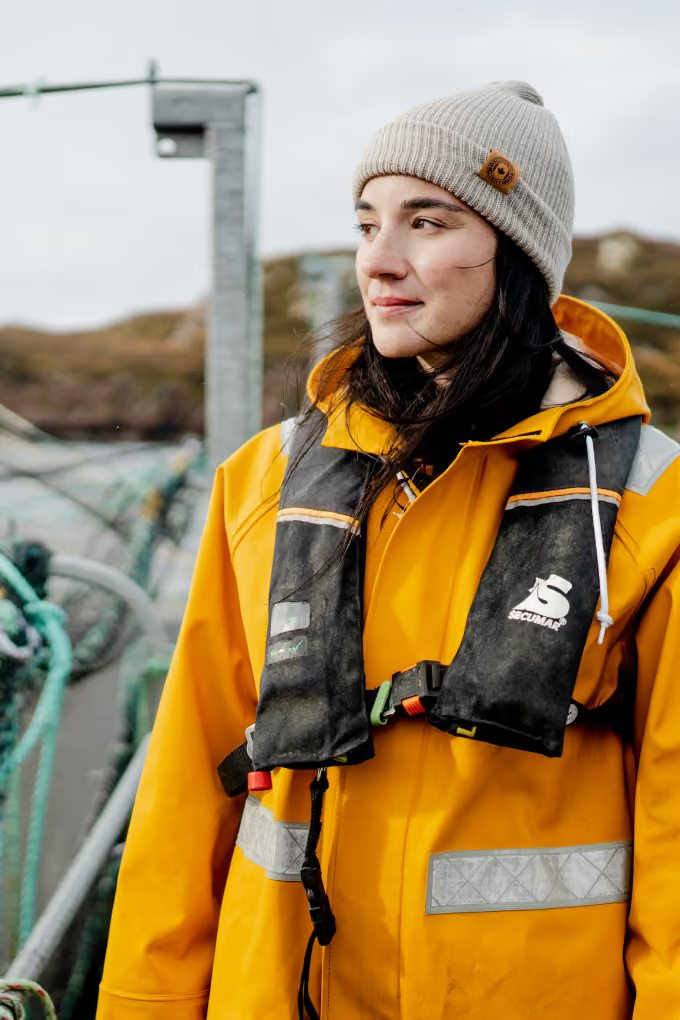
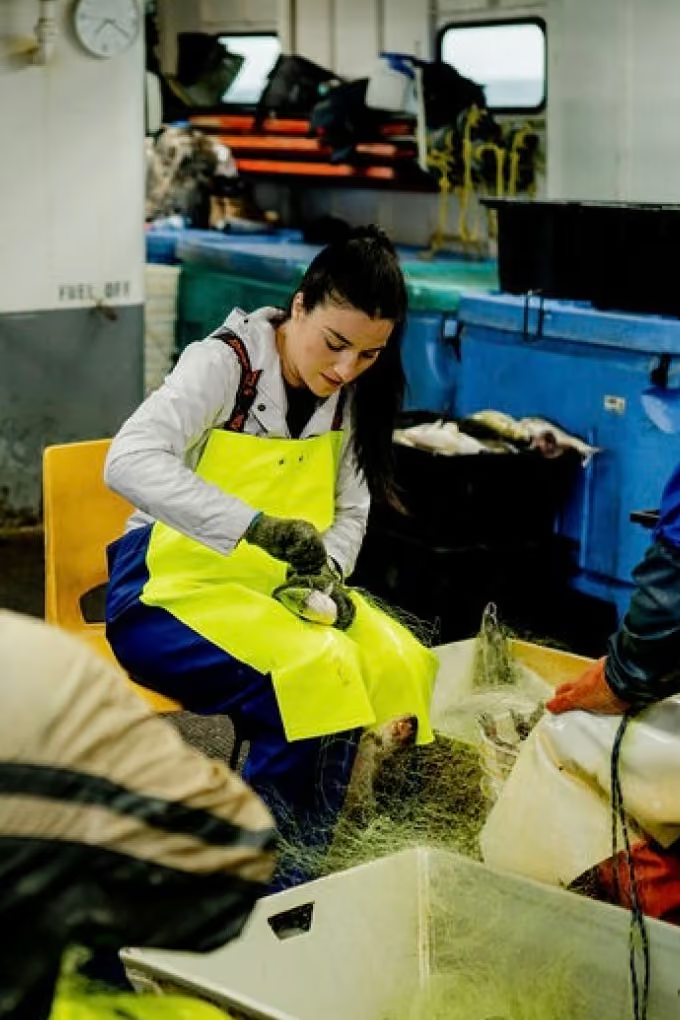
Even with nearly a decade in the seafood world, I haven't quite mastered the art of fish butchery. I know seafood from the production end of the supply chain. My background is in fisheries science, sustainability, sourcing, and storytelling. I’ve spent years visiting fish farms, working with fishermen, and helping communicate the realities of the seafood industry to both consumers and professionals.
But I wanted to better understand what happens on the other side of that story. I wanted to improve my fish butchery skills, become a stronger cook, and get a clearer sense of how chefs think about buying, preparing, and serving seafood well. As someone who spends so much time trying to connect the dots between producers, chefs, and consumers, that felt like an important gap to close.
And, on a personal level, it was overdue. I’m an avid home cook, a serious hostess, and someone who believes seafood should feel more approachable in everyday life. So if you’ve been searching for an honest review of the CIA Seafood Boot Camp, what the Culinary Institute of America is like, and whether this kind of program is worth it for home cooks or seafood professionals, this guide is for you.
So, if you’ve been searching for an honest review of the CIA Seafood Boot Camp, what the Culinary Institute of America is like, or whether this kind of seafood cooking program is worth it for home cooks and seafood professionals, this post is for you.
In a separate post, I shared the more personal, diary-style reflection on my experience.

What is the Culinary Institute of America?
For anyone unfamiliar, the Culinary Institute of America, often called the CIA, is one of the most recognized culinary schools in the world. The school traces its roots back to 1946, when it was founded in New Haven, Connecticut, as the New Haven Restaurant Institute to train returning World War II veterans in the culinary arts. It was later renamed the Culinary Institute of America and eventually moved its flagship campus to Hyde Park, New York, where it remains today.
Over the decades, the CIA has built a reputation for excellence in culinary education, with generations of chefs, restaurateurs, and food professionals passing through its programs. In addition to degree programs, the school also offers enthusiast classes and boot camps designed for professionals, serious home cooks, and anyone looking to sharpen their culinary skills in a more immersive, hands-on environment.
What Is CIA Seafood Boot Camp?
The Culinary Institute of America’s boot camps are aimed at giving participants a small taste of what it’s like to be a student at one of the top culinary schools in the world. They offer a variety of boot camps in different cuisines and focus areas, ranging from single day trainings to 4-day boot camps.
I attended the four-day Seafood Boot Camp, which the CIA describes as the more advanced option for professionals and advanced food enthusiasts. There is also a two-day version for people who want a shorter experience.
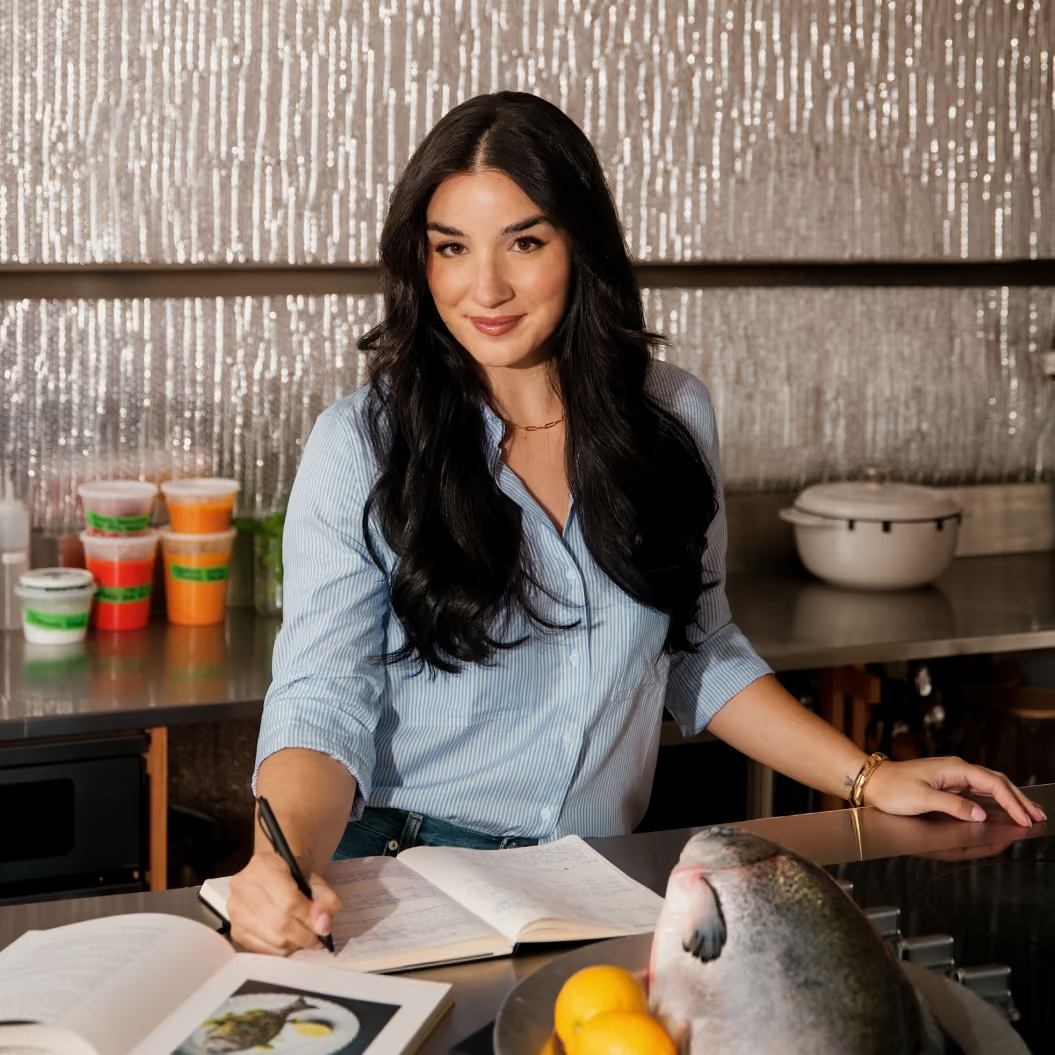
Each morning started with about a 30-minute lecture, though “lecture” makes it sound more formal than it felt. It was really more of a conversation with Chef: reviewing the plan for the day, assigning recipes, and flagging any changes or technique notes before we started cooking.
From there, we were in the kitchen for most of the morning. The first stretch of time usually included a chef demo, and that was honestly one of the most valuable parts of the experience. Depending on the day, that meant fish butchery, live lobster fabrication, shucking shellfish, or foundational cooking techniques like making stock, building a roux, or refining pan-searing technique.
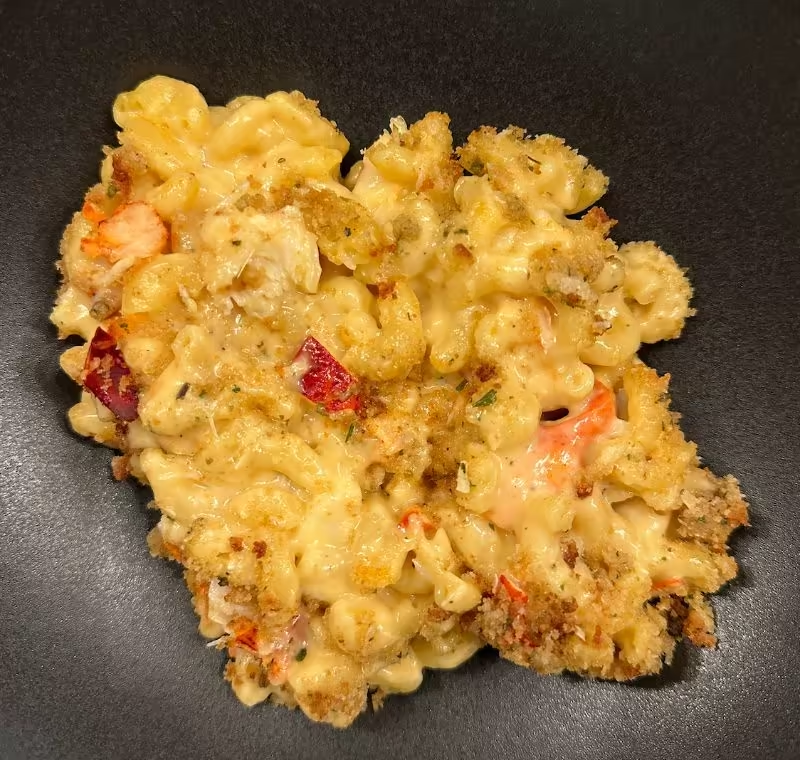
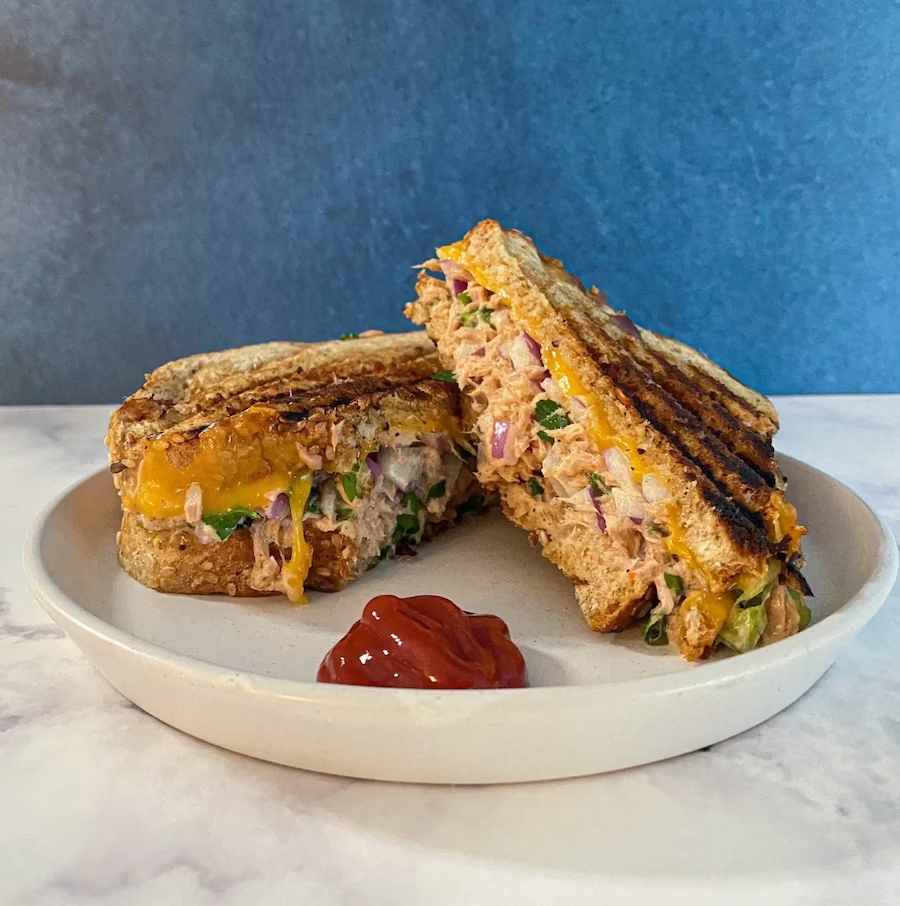
After the demonstration, we went to our own stations to begin cooking. Some days each person worked on an individual recipe. Other days, two or three people worked together on a more complex dish. Once everything was finished, we plated the food and sat down to eat together as a class while Chef gave feedback on the dishes and the techniques used.
This structure is immersive and hands-on - you’re actually in the kitchen everyday putting your skills to work, not just thinking about how to theoretically do them. The days are fast paced, but still approachable.
What Skills Do You Learn at CIA Seafood Boot Camp?
The course covers a lot, but the biggest areas of learning for me were fish butchery, seafood handling, knife skills, temperature control, timing, and plating.
There was a major emphasis on precision. Not just in how you cut fish, but in how you set up your station, organize your mise en place, move through service, and think through the final plate. The boot camp also reinforced that great seafood cooking is often about restraint. Better control of timing. Better understanding of temperature. Better technique. Less overhandling.
One thing I especially appreciated is that the program does not just teach recipes. It teaches how to think in the kitchen. That, to me, is what makes it feel useful well beyond the four days you spend there.
Who Is CIA Seafood Boot Camp For?
CIA’s official course descriptions frame the two-day version as a fit for professionals or food enthusiasts and the four-day version as geared toward professionals or advanced food enthusiasts. Based on my experience, I think that is accurate.
I would recommend this program for:
- food lovers who already enjoy cooking
- confident home cooks who want to get better at seafood
- seafood-curious people who want to feel more comfortable buying, prepping, and cooking fish and shellfish
- culinary professionals or seafood professionals who want stronger hands-on kitchen skills
If you regularly cook at home and want to stop feeling intimidated by seafood, this is a great fit.
If you are a true beginner in the kitchen, I would probably start with one of CIA’s more general cooking boot camps first. The seafood program is absolutely approachable, but it moves quickly, and I do think it helps to come in with some baseline comfort around knives, prep, and kitchen flow.
How Much Does CIA Seafood Boot Camp Cost?
At the time of writing, the four-day Seafood Boot Camp in Hyde Park is listed at $2,180 USD. CIA also sells optional boot camp tool kits separately if you want to get decked out in some official CIA kitchen gear.
The course price includes:
- 4 days of instruction from a world renowned chef
- A CIA chef’s jacket and chef’s hat
- A boot camp manual with all recipes
- A tour of the CIA campus
- Dinner with your fellow boot campers at one of CIA’s student-run restaurants
For the most current pricing and exact inclusions, I would still check the live class listing before booking, since course details can change.
When Does CIA Seafood Boot Camp Happen?
CIA Foodies releases upcoming class dates through its class listings and boot camp pages. The Hyde Park and Napa campuses both offer boot camp programs, but dates can vary by campus and season.
So, if you’re planning a trip around it, check the current CIA Foodies class listings.
How Do You Register for CIA Seafood Boot Camp?
You register directly through the CIA Foodies page.
Where Is the Culinary Institute of America?
The Culinary Institute of America’s New York campus is in Hyde Park, New York.
It’s in the Hudson Valley, roughly 80 miles north of New York City. If you are flying in, a New York City airport can work, but you will almost certainly need a car for the remainder of your journey.
I drove from Niagara-on-the-Lake, and for me that was the simplest option.
Where Should You Stay Near CIA Hyde Park?
There are a handful of hotels in the area. The closest is the Inn at Bellefield in Hyde Park, which is right across the street from campus, making it very easy to walk to class each day. There are also options in nearby Poughkeepsie, including Holiday Inn Express and Courtyard by Marriott Poughkeepsie.
What Do You Need to Bring?
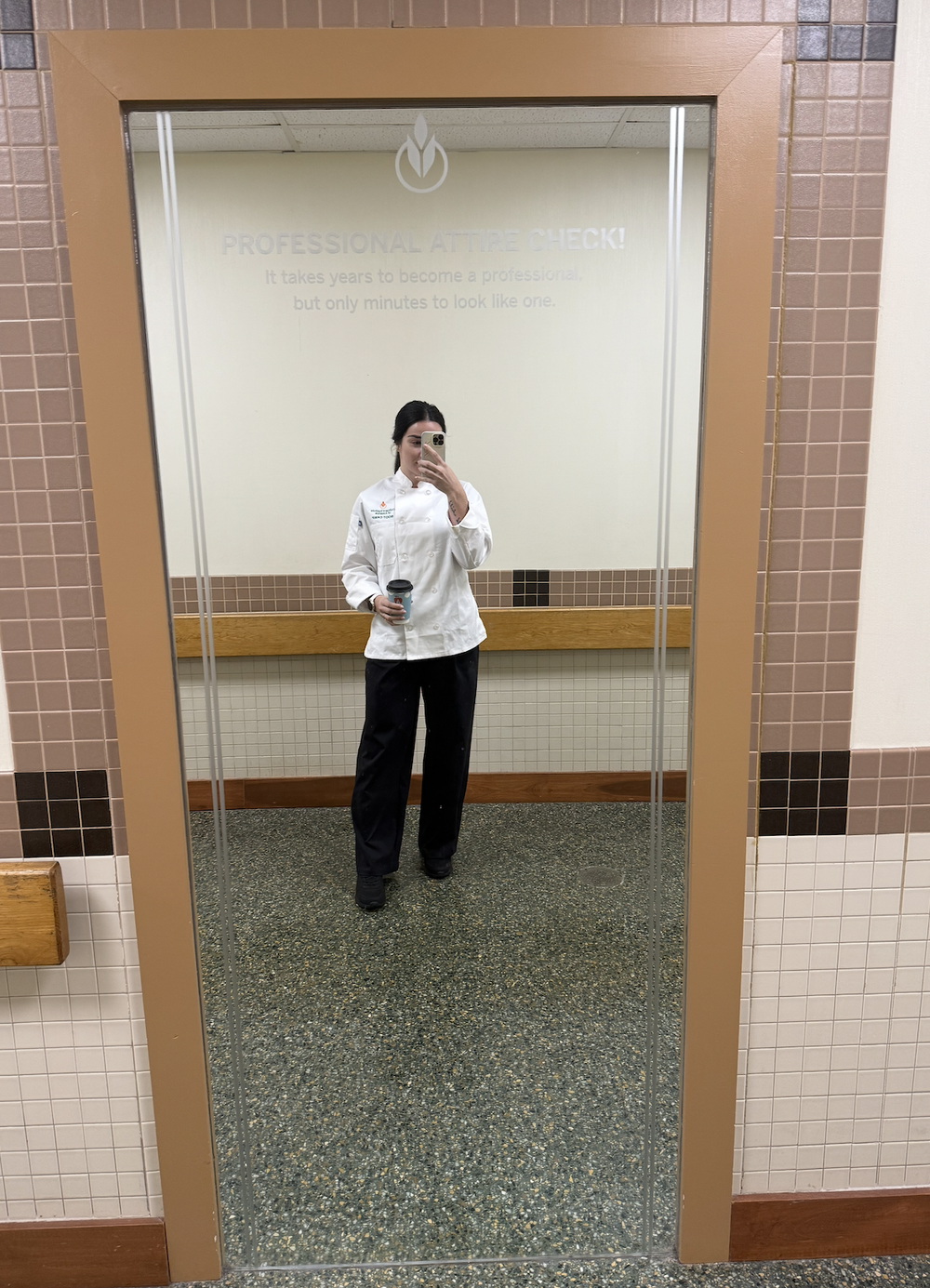
You need non-slip shoes and kitchen-appropriate pants.
The CIA prides itself on professionalism and that does extend into its boot camp programs. There are no jeans, sweatpants, or yoga pants allowed in the kitchen. You want practical, professional kitchen clothing that you can move in comfortably for several hours. Personally, I wore my Lululemon trousers and purchased these non-slip kitchen shoes on Amazon for $50. I was safe and comfortable all week!
Everything else you need for the class itself is provided in the kitchen, and CIA also offers optional tool kits if you want to buy gear to take home.
Is CIA Seafood Boot Camp Worth It?
Yes, with one caveat.
If you already cook at home and specifically want to improve your seafood skills, I think it is absolutely worth it. The access to direct instruction, hands-on butchery practice, chef demos, and immediate feedback makes it a very different experience from simply trying to teach yourself through YouTube or cookbooks.
If you are not a confident cook yet, I would probably start with a more foundational cooking class first and then come back to seafood boot camp later.
For me, the four-day format felt like the right choice. It gave me enough time to settle in, build momentum, and actually improve. Personally, I think the two-day version would have felt too short for what I wanted out of the experience.
My Final Verdict on CIA Seafood Boot Camp
If you love seafood, cook regularly, and want to get better in a serious but still fun and approachable environment, CIA Seafood Boot Camp is a very worthwhile experience.
What I liked most is that it did not just teach recipes. It taught judgment, technique, and confidence. It gave me a better understanding of how chefs think, a sharper appreciation for the precision that great seafood cooking requires, and a stronger foundation in the practical kitchen skills I wanted to improve.
For someone like me, who already knows seafood from the production side, it felt like the missing piece. And for home cooks who want to stop being intimidated by seafood, I think it could be a real game changer.

.jpg)