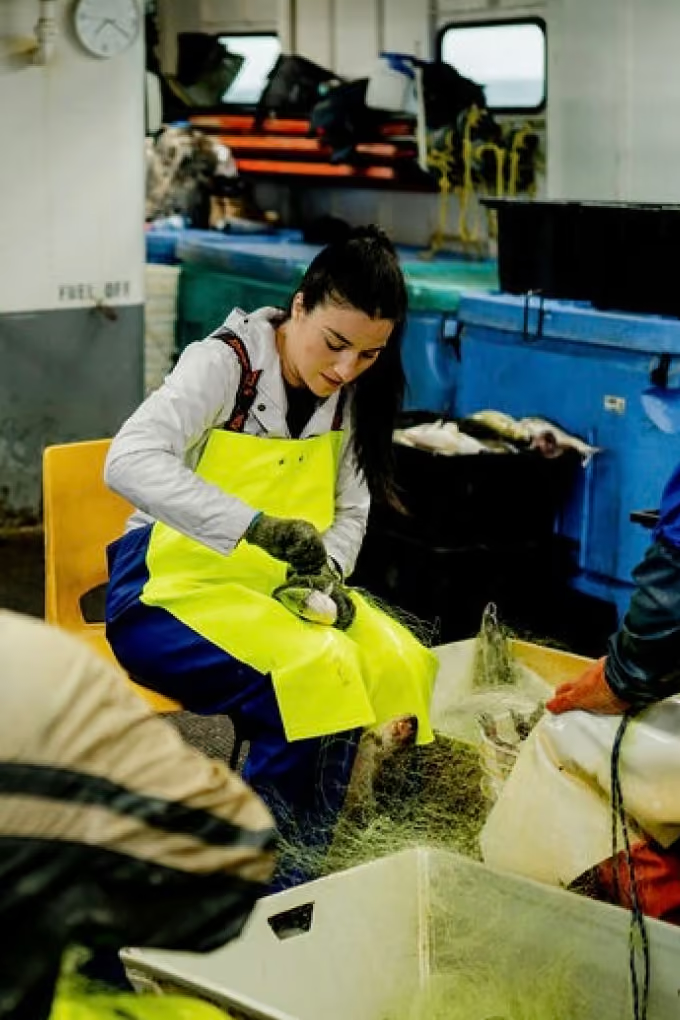
After years of working in the seafood industry, learning from chefs, and cooking seafood at home, I have a small, tested collection of things I genuinely could not do seafood without.
This is not a list of trendy gadgets or pretty kitchen objects. It is the actual gear, ingredients, and books I reach for week after week. They’re the things I tell friends to buy first when they want to start cooking more seafood at home, which is exactly why I’m telling you now.
1. A real fish spatula
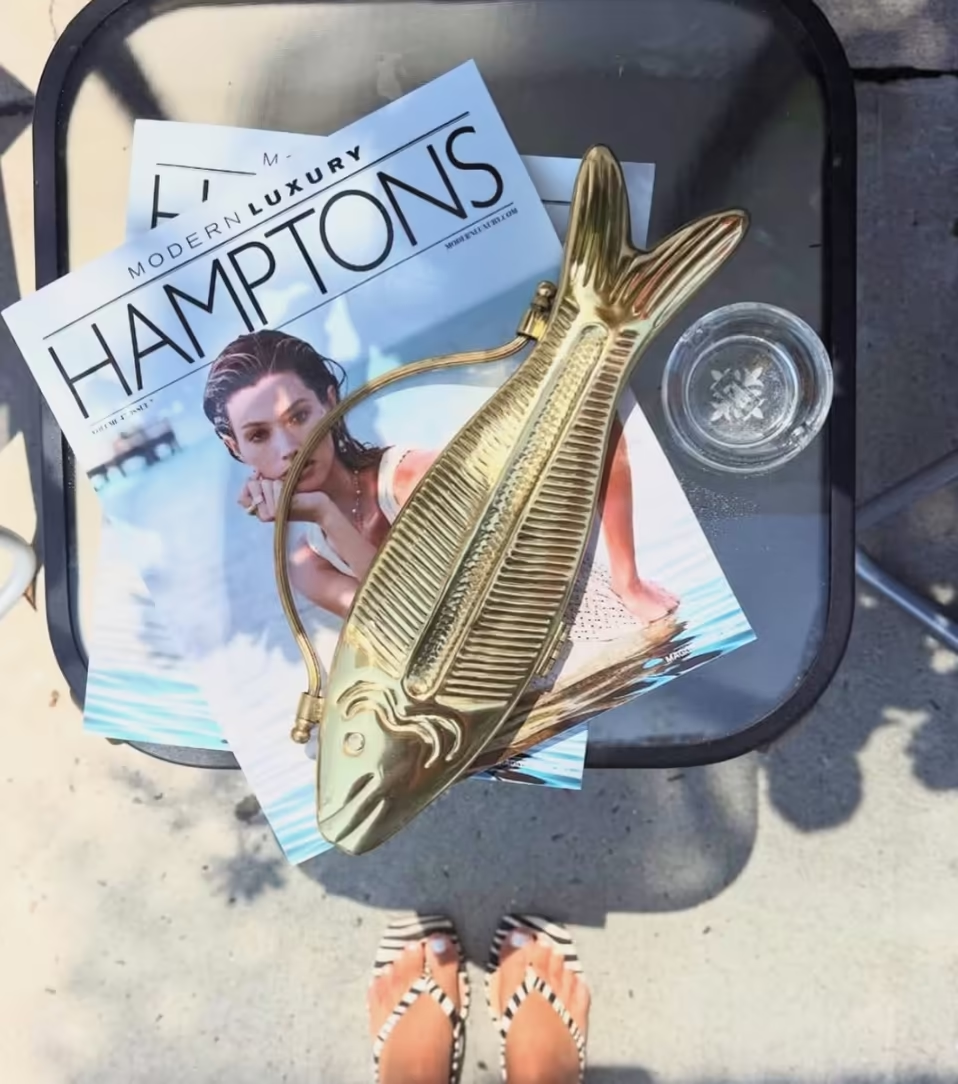
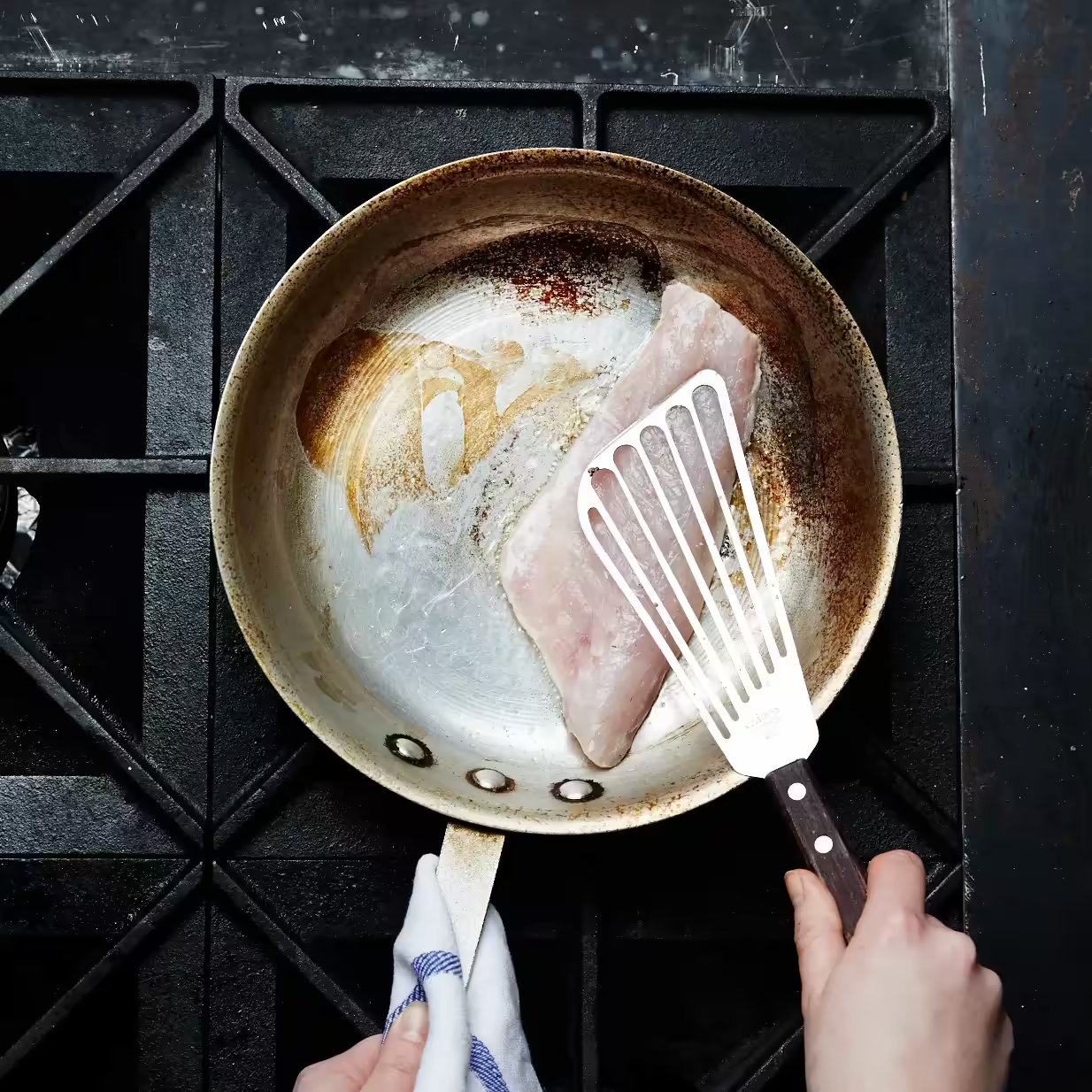
If you only buy one tool from this list, make it a slotted, thin, flexible fish spatula. It glides under delicate fillets without tearing them, drains away pan oils as you lift, and will outperform every other spatula in your drawer the second you start cooking fish. I prefer one with a slight angle and a long enough handle to keep my hand away from the heat.
2. Pin bone tweezers
If you’re planning to get into fish butchery (which you totally should!), you’ll need pin bone tweezers. These make it way easier to pull the tiny pin bones out of salmon, trout, and other fillets. Make sure they’re actual pin-bone tweezers with the curved ends - they work 100x better than normal tweezers.
3. Seafood Scissors
If you don’t have the finesse or the patience to carefully extract the meat from shells, then you need a pair of seafood scissors. These are specially crafted with curved blades that slice through tough shells to free shrimp, crab, and lobster intact. You’ll be left with whole pieces that look a lot prettier than the man-handeled scraps you can get out with your hands.
4. Flaky finishing salt
Once I learned the difference between “cooking salt” and “finishing salt”, I feel like my seafood game elevated to the next level. A finishing salt with real crunch — Maldon is the classic, but there are excellent alternatives — adds texture and flavor that elevate even the simplest grilled or pan-seared fillet.
5. A stainless steel or cast iron pan
For getting genuinely great sear on a fillet, nonstick will not get you there. I repeat, non-stick WILL NOT get you there. A well-seasoned stainless steel or cast iron pan will. It holds heat, builds color, and gives you that crisp, golden, restaurant-style skin that most. Heat the pan properly, dry the fish well, and let it do the work.
6. The cookbook that lives on your counter
Every great home cook has one or two books that are spattered, dog-eared, and never go back on the shelf. In my opinion, the best modern seafood cookbooks share a couple of traits: they don’t just share recipes, but they explain technique in a way that’s easy to follow, and they are beautifully produced enough to actually make you want to cook from them - yes, that means pictures! Here are what I consider to be THE BEST companions for cooking seafood at home:
- Fish Butchery - any of Josh Niland’s books will be a best friend to an at-home seafood chef (I’d actually argue he should be recommended reading!), but I particularly love having this one on hand as a reference guide when I’m butchering and breaking down fish
- The Joy of Seafood - Barton Seaver is another key author to have on hand as an avid seafood lover. I particularly love this book because not only does it have 900+ recipes, but it explains all the essentials of preparation and dives into seafood origins and sustainable sourcing.
- Wishbone Kitchen - technically, this is not a seafood cookbook. But it’s quickly become the book that I cook out of most often, especially when I’m hosting. I find Meredith's recipes approachable, perfect for a crowd, and I love how many seafood recipes are in this book. (The Tomato Butter Baked Cod is my favourite!)
7. A tinned fish collection
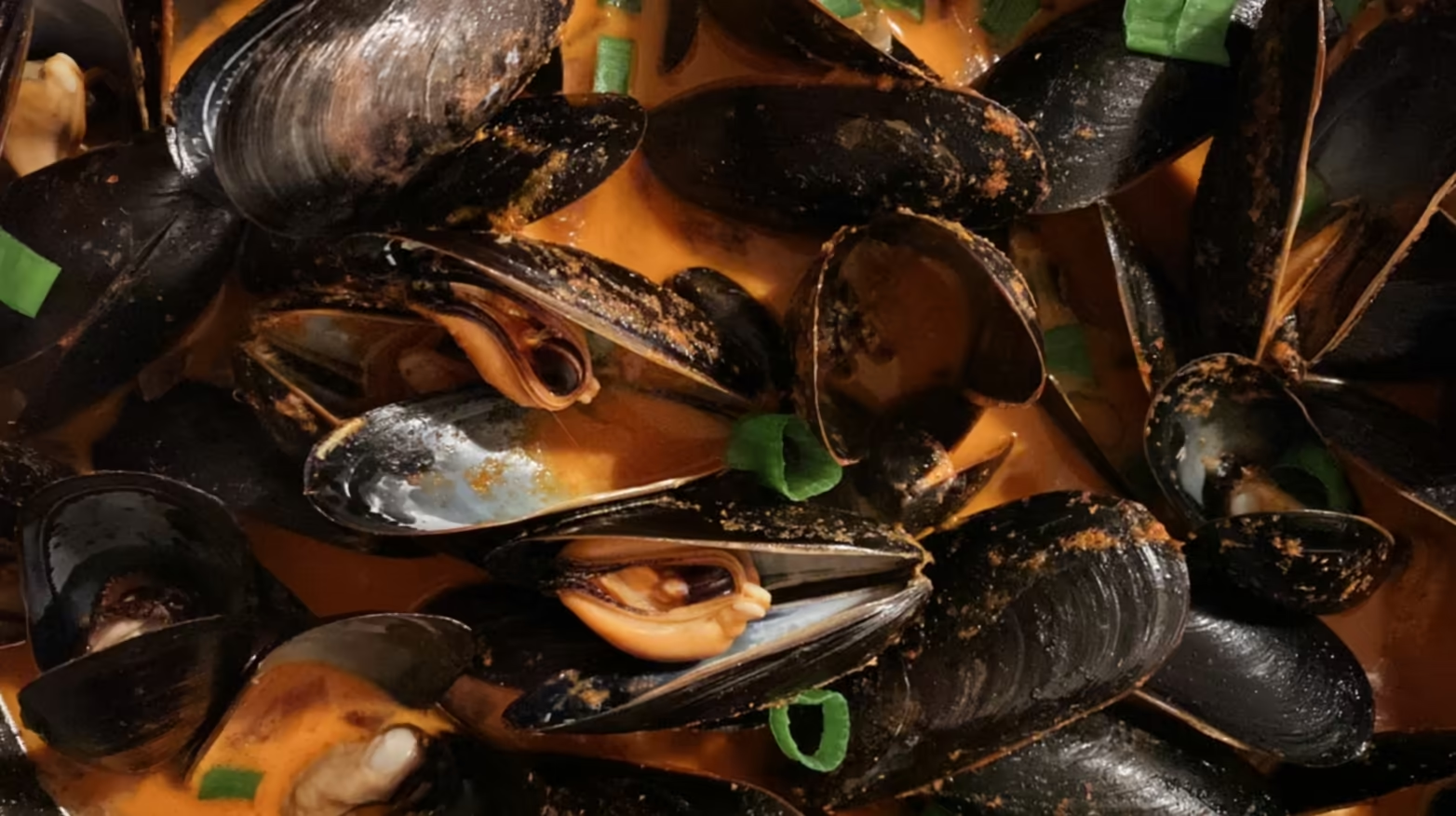
Tinned fish is not a trend in my kitchen — it is a pantry staple. A well-curated stash of sardines, anchovies, mackerel, mussels, and tuna means I can pull together a beautiful, low-effort, high protein meal in no time. Tinned fish is also one of the most underrated entry points into seafood for people who think they “do not like fish.”
If you’re wondering where to start when it comes to tinned fish, start here.
8. An oyster knife and a chainmail glove
If you ever want to shuck oysters at home, these are non-negotiable. A real oyster knife (short, blunt, sturdy) and a chainmail or cut-resistant glove turn shucking from a finger-injury risk into a calm, satisfying party trick.
9. A proper fillet knife
A long, thin, flexible blade is what separates clean home filleting from a frustrated mess. You do not need to break down whole fish at home to justify owning one — even portioning a whole salmon side or trimming fillets becomes dramatically easier with the right knife.
10. A way to freeze seafood properly at home
If you are buying frozen seafood, or breaking down whole fish and hoping to freeze it for later, you also want a way to store it well. A vacuum sealer is the home version of what the best commercial operations do, and it is genuinely worth the counter space if you cook seafood often. At minimum, a stash of high-quality freezer bags, a Sharpie for dating, and a habit of pressing the air out before sealing will go a long way. Good freezing at home is the under-told half of the fresh vs. frozen conversation.
So that's my list! No gimmicks, no gadgets you'll use once and forget about (we all have that drawer). Just the stuff I reach for every single week and the stuff I tell every friend to buy first. If you're overwhelmed, start with the fish spatula. I mean it. You will wonder how you ever cooked fish without it. Shop all these seafood essentials and more here.
.avif)